The recent nuclear agreement between the United States and Saudi Arabia, intended to span three decades, now faces an unexpected twist. Former President Trump has introduced a political prerequisite: Saudi Arabia must commit to normalizing relations with Israel by joining the Abraham Accords. This condition puts a new strain on what was positioned as a straightforward civilian nuclear cooperation deal.
Details of the Nuclear Cooperation Framework
Signed in late July 2026, the so-called "123 agreement" sets the stage for joint civilian nuclear activities between Washington and Riyadh. Unlike previous US nuclear deals, which typically barred partner countries from enriching uranium or processing plutonium domestically, this pact permits Saudi Arabia to develop its own uranium enrichment capabilities. This marks a notable departure from the traditional non-proliferation "gold standard."
For Saudi Arabia, expanding nuclear energy is a strategic effort to diversify its domestic energy sources. The plan is to use nuclear power for electricity generation, thereby freeing more oil and gas supplies for international export. The deal still awaits approval from the US Congress, where lawmakers are expected to debate its implications.
Trump’s Political Condition and the Abraham Accords
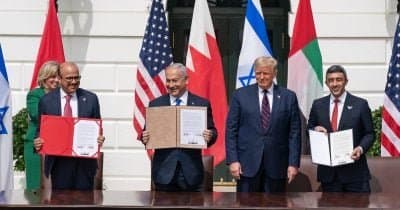
The Abraham Accords, brokered during Trump’s first term, normalized diplomatic ties between Israel and several Arab states like the UAE and Bahrain. Saudi Arabia, the Middle East’s most influential Arab country, has stayed on the sidelines, linking normalization to progress on Palestinian statehood. By attaching the nuclear deal to Saudi Arabia’s entry into the Accords, Trump uses civilian nuclear collaboration as use to push a broader diplomatic agenda.
Impact on Energy Markets and Business Prospects
If realized, the nuclear agreement promises considerable opportunities for US companies specializing in nuclear technology, engineering, and safety. Building Saudi Arabia’s civilian nuclear infrastructure will require extensive technical partnerships, positioning American firms at the forefront. However, should Riyadh reject the normalization clause, the deal risks collapse, potentially driving Saudi Arabia into the arms of alternative nuclear partners like China or Russia. That shift would mean lost business for US contractors and diminished American influence in the region.
This content is for informational purposes and does not constitute financial advice.