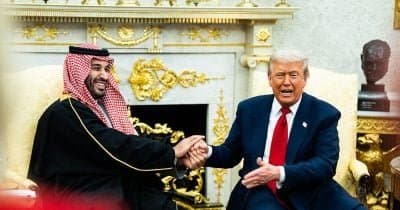
The US President has withdrawn support for a planned nuclear deal with Saudi Arabia, a move that signals a significant shift in American foreign policy within the Middle East. This change comes as the region experiences evolving diplomatic dynamics, especially in light of ongoing negotiations with Iran and growing discussions around the Abraham Accords framework.
Impact on US-Iran Nuclear Negotiations and Market Sentiment
The retreat from backing Saudi Arabia's nuclear ambitions has reverberated across financial markets, nudging down expectations that a full US-Iran deal would include funds for Iranian reconstruction efforts. Current market odds estimate about a 29% chance that such reconstruction funding will be part of a 2026 agreement, reflecting increasing uncertainty. This sentiment shift shows how intertwined US-Saudi relations and Iranian diplomacy have become, with each development influencing perceptions about regional security and investment flows.
Geopolitical Context and the Abraham Accords Influence
Since the Abraham Accords' signing in 2020, which normalized ties between Israel and several Arab nations like the United Arab Emirates and Bahrain, Saudi Arabia has been cautiously engaged in related diplomatic discussions. The recent US policy reversal seems to complicate Saudi Arabia’s role in these regional initiatives, potentially impacting broader peace and security negotiations. Monitoring official US statements will be key to understanding whether this marks a temporary pause or a longer-term strategic recalibration. Similarly, developments in Israeli-Saudi interactions and any fresh Iran talks could tip the balance in upcoming diplomatic efforts.