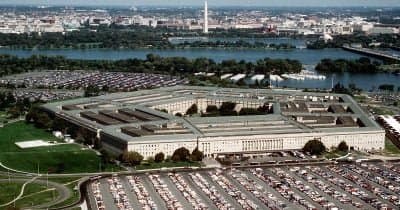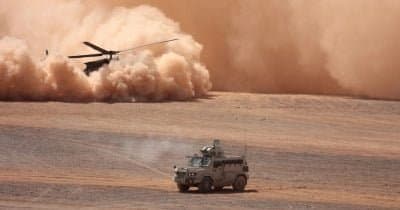
The recent US military strikes against Iranian targets came swiftly after President Donald Trump issued a stern warning of forceful retaliation. This jump in hostilities marks a significant escalation in an already tense standoff that has persisted throughout the year, particularly around the strategically vital Strait of Hormuz. The region remains a hotspot where American and Iranian forces have exchanged blows repeatedly, signaling a conflict far from a brief flare-up.
Escalation Patterns and Market Reactions
The latest actions fit into a broader pattern of tit-for-tat military moves between Washington and Tehran. Analysts note that such persistent exchanges suggest a protracted conflict rather than isolated incidents. Market watchers have taken notice as well, pricing in a growing chance of additional Iranian military responses, with some attention turning toward potential spillover impacts in places like Ukraine. Presently, the odds of a US invasion of Iran stand at roughly 25.5 percent, reflecting a palpable risk of wider escalation.
What Comes Next in a Volatile Region
All eyes are on statements from key figures, including President Trump and Iranian officials, as their rhetoric could sway both military decisions and market sentiment dramatically. The Strait of Hormuz remains a critical flashpoint, where any further Iranian retaliation might disrupt vital shipping lanes and global energy supplies. Meanwhile, Pentagon announcements and diplomatic moves will be closely scrutinized for signs of either de-escalation or renewed conflict. The unfolding events will likely determine the trajectory of this fraught standoff well into the near future.