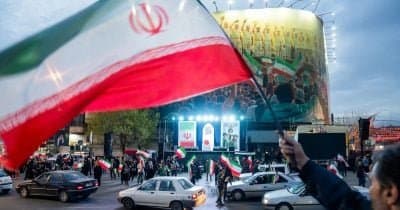
"This pause could open the door for dialogue," remarked a market analyst following the sudden US-Iran ceasefire, reflecting the cautious optimism permeating diplomatic circles. The recent halt in hostilities has reignited hopes that both nations might reengage in talks, but deep divisions within Tehran complicate the outlook. Hardliners see the current strategic position as use rather than a reason to negotiate, while more moderate factions appear to favor dialogue with Washington.
Market signals show mixed expectations about where any future negotiations might take place. Switzerland currently holds the highest probability at 26%, followed by Qatar at 18%, while interest in the UAE as a venue has fluctuated and remains uncertain. The possibility of a September deadline for talks adds urgency, yet traders remain divided on the feasibility of an agreement. These market fluctuations mirror the political push and pull happening behind closed doors in Iran’s capital.
Key figures like US President Donald Trump and Iranian Foreign Minister Seyed Abbas Araghchi remain central to this developing story. Their public statements and behind-the-scenes maneuvers will be critical in shaping the course of US-Iran relations in the coming months. Meanwhile, the geopolitical ripple effects extend beyond diplomacy, influencing regional markets and international strategic calculations, underscoring how fragile the current situation remains.
As talks potentially approach, all eyes will be on announcements regarding venue selection and political stances within Iran, which may ultimately determine whether a diplomatic breakthrough is possible. The evolving situation parallels other complex negotiations unfolding worldwide, such as shifts in AI-related markets seen recently with companies like Celestica boosting revenue forecasts amid soaring AI demand, signaling how interconnected international relations and market dynamics have become.