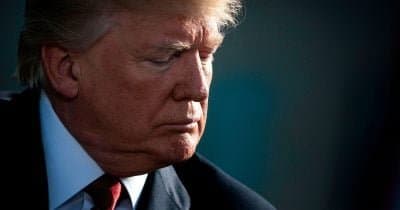
"The market read this immediately," one prediction-market analyst noted after the House vote landed on July 23. The U.S. House of Representatives passed a resolution directing President Donald Trump to halt military operations against Iran without explicit congressional authorization. Four Republicans crossed the aisle to back the measure alongside Democrats, giving the vote a bipartisan edge that made it harder to dismiss as routine opposition politics.
The resolution stops short of binding law on its own. To survive a presidential veto, it needs the Senate, and right now that path looks narrow. Still, the vote landed hard enough to move prediction markets tracking a potential US-Iran deal in 2026. The probability that Iran Reconstruction Funding ends up in any final agreement slipped from 30% to 28.5% YES within 24 hours of the vote. The odds on a uranium enrichment cap being written into a deal also drifted lower, reflecting how traders are pricing the added diplomatic friction. Chief Negotiator Mike Vance and Iranian Foreign Minister Javad Zarif are still at the table, with Qatar and Pakistan serving as intermediaries, but the congressional signal complicates their room to maneuver.
The backdrop matters. Unauthorized U.S. military actions against Iran earlier in 2026 set off the current legislative push, and the House is now on record saying those actions crossed a line. Whether that record changes anything on the ground depends almost entirely on what the Senate does next. A resolution that dies in the upper chamber stays symbolic, and Trump has shown little appetite for reining in executive war powers voluntarily. For now, the signal to Tehran and to markets is that Washington's posture on Iran is contested, not settled, and that uncertainty alone is enough to trim the optimism priced into a full 2026 deal.
This article is for informational purposes only and does not constitute financial or investment advice.