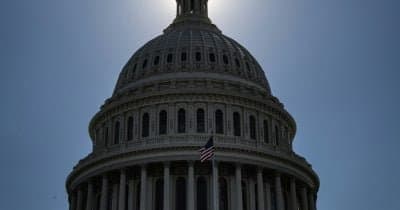
The U.S. House of Representatives voted decisively to stop military operations targeting Iran, signaling a strong legislative challenge to President Trump's foreign policy. While largely symbolic because the Senate and the president may block it, this move highlights increasing Congressional opposition to escalating tensions with Tehran.
Legislative Resistance Grows
The resolution passed under the War Powers Act aims to curb U.S. military involvement in Iran. Despite its limited immediate power, the vote reflects broader skepticism within Congress about continuing the confrontational stance initiated earlier this year, as clashes between both nations had intensified. Since April, a fragile ceasefire has been in place, and the House's decision supports a preference among lawmakers for diplomatic negotiations rather than further conflict.
Diplomatic Prospects and Market Impact
Market observers are interpreting the House vote as a signal that a peaceful settlement could be more likely, which might lead to a full agreement between the U.S. and Iran as soon as 2026. Such a deal could include reconstruction funding and help stabilize regional security. However, the Senate's stance and President Trump's reaction will be decisive in shaping the outcome.
Key factors to monitor include:
- Senate response to the House resolution
- Statements by U.S. and Iranian diplomats
- Changes in military activity by either side
These developments will influence not only political dynamics but also market sentiment regarding the Middle East. For instance, shifts in negotiation momentum could affect risk assessments and investment strategies.