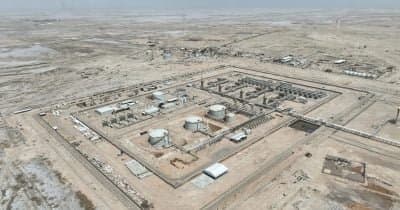
Israel’s defense minister recently revealed a striking tension behind the scenes Israel wants to escalate strikes against Iran’s vital energy infrastructure, yet the United States is holding it back. This dynamic unfolds as the 2026 conflict involving Iran intensifies, with military clashes spilling over into attacks on economic targets beyond traditional battlefields.
US Restraint Shapes Israeli Military Moves
Historically, Israel has conducted precision strikes on Iran's energy facilities, aiming to cripple key sectors driving Tehran’s regional influence. However, Washington views such strikes as potentially destabilizing the already volatile region, warning that targeting Iran’s energy infrastructure risks broader escalation. The U.S. interference is a significant factor curbing Israel’s operational freedom, forcing a strategic pause despite mounting frustration from Israeli officials who see these targets as critical to limiting Iran’s war capabilities.
Diplomatic Fallout and Market Repercussions
The growing military tensions are already rippling through international diplomacy and markets. Prediction markets now signal a sharp drop in the chances of a meaningful US-Iran nuclear deal materializing this year. Specific provisions, like reconstructive aid or uranium enrichment limits, have seen their probabilities dwindle as military conflict overshadows negotiations. The persistent pattern is clear: as conflict escalates, diplomatic solutions slip further out of reach.
Experts and observers are closely watching official statements from the White House and Iranian representatives any shift could sway negotiations drastically. Meanwhile, further Israeli military action could push the odds of a peaceful resolution even lower.
This content is for informational purposes and should not be considered financial advice.