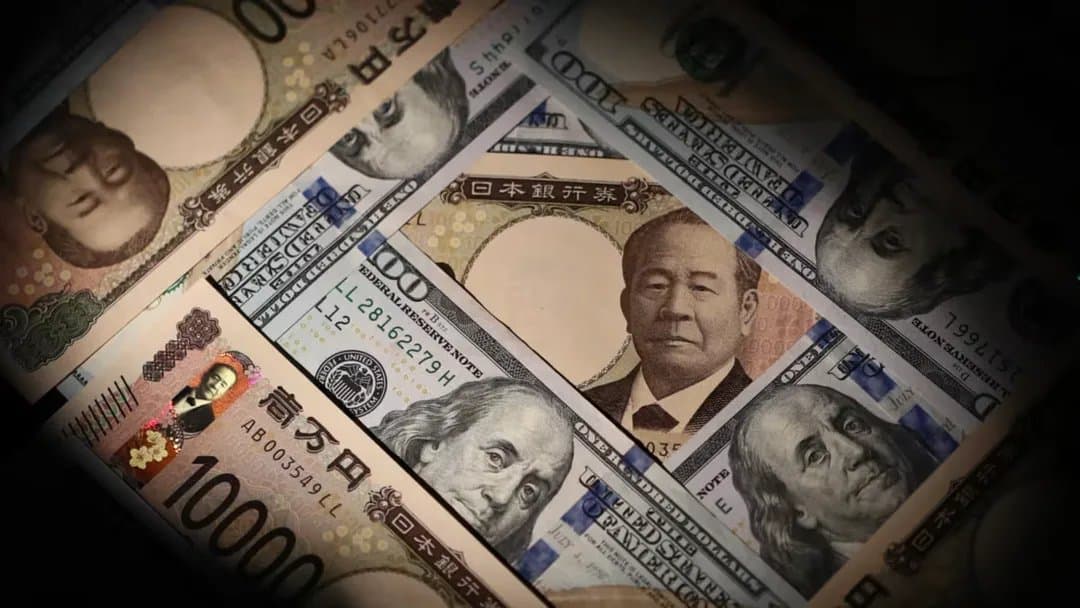
The US and Japan launched a coordinated intervention to shore up the yen after it plunged near a 40-year low against the dollar. The move, announced last week by President Donald Trump, was the first joint currency action between the two countries since 1998. The yen had slipped past 163 per dollar but rebounded toward 155 following the intervention.
Japan’s finance minister Satsuki Katayama said the operation aimed to curb “excessive volatility and disorderly movements” of the currency. Treasury Secretary Scott Bessent emphasized that the intervention was meant to “counter disorderly yen movements” and the US remains ready to engage in further joint actions if needed. Trump described the effort as a “signal of friendship” reflecting the strong ties between the nations.
Pressure on Japan’s Economy from Yen Weakness
The yen’s decline reflects concerns over Japan’s fiscal spending, rising energy import costs, and a widening interest rate gap with the United States. Japan reportedly spent around $34 billion defending the currency last week, temporarily wiping out three months’ worth of losses. Despite this, many analysts doubt intervention alone can reverse the broader depreciation trend, which has its benefits and drawbacks.
A weaker yen makes Japanese exports cheaper and more competitive overseas, aiding companies reliant on global sales. On the flip side, import costs rise, squeezing households and businesses already burdened by high energy prices. This dynamic also complicates the Bank of Japan’s inflation targets as it balances the option of further interest rate hikes.
Bessent confirmed US support for Japan’s market measures and monetary policy addressing what he called “substantial undervaluation” of the yen. The recent intervention coincided with the Bank of Japan’s decision to hold rates steady at 1 percent while signaling possible further hikes if inflation and currency weakness persist.
This material is for informational purposes and does not constitute financial advice.