The United States and Iran have resumed negotiations over the critical Strait of Hormuz, with Oman and Qatar stepping in as mediators. The talks focus on managing maritime access and creating conditions to reduce tensions in the region, which remains a key corridor for global oil shipments. Despite these efforts, President Donald Trump continues to keep the option of military action on the table, signaling unresolved friction.
Current Developments in US-Iran Diplomacy
The diplomatic engagement between Washington and Tehran is indirect and does not aim to finalize a full peace deal. Instead, it seeks a temporary compromise to stabilize navigation through the strait, vital for international energy supplies. The involvement of Oman and Qatar as facilitators has increased cautious optimism among observers. Market indicators have reacted slightly, with the likelihood of a diplomatic meeting by July 31 inching up from 6% to 7.5% in the last day.
International Response and Market Impact
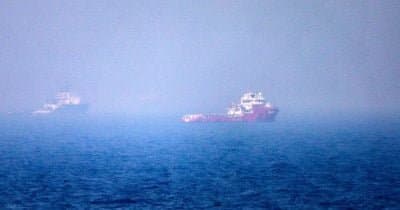
Global shipping and energy markets remain sensitive to developments around the Strait of Hormuz. The continued risk of escalation, particularly involving the US or Israel, could disrupt not only the talks but also the flow of oil through this narrow passage. Official statements from the White House or Iranian Foreign Ministry will be closely watched for signs of progress or setbacks. The next few days are critical, as any military escalation might derail negotiations and affect energy prices worldwide.
This content is informational and does not constitute financial advice.