The recent missile and drone assaults launched by Iran against Kuwait, Bahrain, and Jordan have escalated geopolitical tensions within the Gulf region, which have started to resonate throughout global energy and cryptocurrency markets. Saudi Arabia's condemnation of these attacks acts as a reflection of the broader instability that looms over these nations, leading to marked increases in oil prices and placing pressure on Bitcoin and other digital assets.
Why This Develops Matters for You
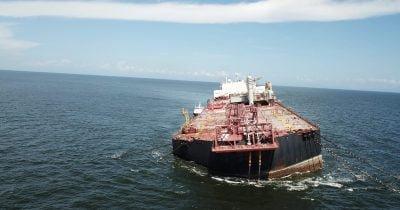
As events unfold in the Gulf, investors are faced with a critical question: how are these geopolitical tensions likely to influence both the energy and cryptocurrency markets? The GCC’s urgent declaration for maintaining free navigation through the Strait of Hormuz highlights the precariousness of energy supply chains, a fundamental concern given that this corridor is responsible for around twenty percent of daily oil shipments worldwide.
- Iran’s recent attacks have been labeled as a “flagrant violation” of international law.
- A substantial part of global oil supply, approximately 20%, passes through the Strait of Hormuz.
- Rising crude prices have affected Bitcoin's performance, evidenced by downward pressure on digital assets as traders seek traditional safe havens.
The interplay between oil prices and the cryptocurrency market is crucial: as geopolitical risks rise, commodities like oil often attract more investment, with capital possibly flowing out of cryptocurrencies and into these safer assets. The resultant shift in investor sentiment could lead to further volatility in the crypto space, thereby impacting market stability.
Implications for Future Trends
Iran’s shadow economy has shown a significant expansion, with its cryptocurrency sector estimated at over $7.8 billion in 2025. This suggests a dual-purpose dynamic: citizens leverage crypto to safeguard their wealth amid economic instability, while it may also facilitate sanctions evasion. However, it remains essential to note that traditional diplomatic channels have yet to fully acknowledge digital assets' role in this complex framework. Consequently, it signals that adaptations in regulatory frameworks may soon be necessary.
Looking ahead, the immediate future may hold further geopolitical maneuvers impacted by the ongoing U.S.-Iran tensions. How the situation evolves in the Gulf will be closely watched by both traditional investors and those in the cryptocurrency space.
What to Watch for Next
Future developments in diplomatic relations in the Gulf and potential military actions should be closely monitored as they may radically alter market conditions. Investors should stay alert to the implications of these developments for both energy prices and cryptocurrency valuations. The invocation of protective maritime measures may also reveal deeper strategic considerations that could create more ripple effects across global trade.
Disclaimer: This material is for informational purposes only and should not be construed as financial advice.