Recent developments surrounding Russia's refusal to engage in peace talks with Ukraine signal potential escalations in conflict, which may have significant implications for the cryptocurrency markets. As geopolitical tensions rise, investors must brace for the ensuing volatility that can dramatically affect digital asset prices, driven by global market sentiments.
Why This Matters for Investors
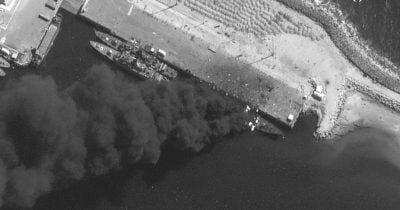
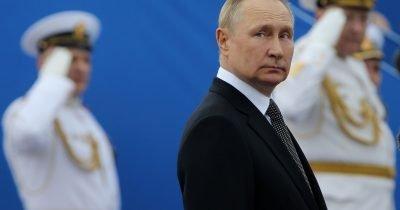
The firm stance taken by Russian President Vladimir Putin is crucial not only for regional stability but also for global economic indicators, particularly regarding energy prices. With Ukraine's recent drone strikes on Russian oil infrastructure and the resulting disruptions, the Kremlin appears to be responding to what it perceives as significant threats to its dominance in the energy sector.
- Putin's rejection of peace talks and inclination towards escalation increases military tensions.
- Significant strikes have disrupted operations at multiple oil facilities, including the largest refinery in Omsk.
- Fuel shortages are reported across numerous Russian regions, impacting both military logistics and civilian economic stability.
The current trajectory of the conflict suggests that volatility in the energy markets will likely lead to broader economic ramifications. Such pressures typically dovetail with heightened scrutiny and speculation within cryptocurrency markets, as investors look for alternative stores of value.
Crypto's Historical Response to Geopolitical Crises
The relationship between cryptocurrencies, particularly Bitcoin, and geopolitical events has proven unpredictable. During previous crises, Bitcoin has responded variably, at times moving inversely alongside traditional risk assets like equities. Historical data shows that spikes in trading volume often precede significant price movements during periods of geopolitical strain. For example, following the initial invasion of Ukraine in 2022, Bitcoin initially fell but subsequently recovered amidst increased transaction volumes linked to cross-border activities and donations.
Given Bitcoin's unique position as a digital asset, it often attracts investors seeking refuge from traditional financial systems during crises while remaining sensitive to broader market sentiments.
What to Watch Going Forward
Investors and market watchers should keep a close eye on the unfolding events in the Ukraine-Russia conflict as they may catalyze further volatility across crypto markets. The sustained impact of energy disruptions could lead to inflationary concerns globally, compelling more investors to consider cryptocurrencies as a hedge against traditional market instability. Additionally, monitoring the responses from the international community and potential sanctions could also influence market dynamics in the digital asset space.
This article is for informational purposes only and does not constitute financial advice.