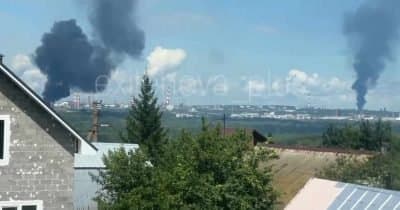
The sound of explosions echoed in Ufa as Ukrainian drones targeted oil refineries deep inside Russian territory on August 1. This wasn’t just a random hit; it shows Ukraine’s growing reach in hitting critical energy infrastructure far from the front lines. Simultaneously, military installations in Crimea also came under drone fire, signaling persistent pressure on Russian forces controlling the Black Sea region.
Ukraine’s drone campaign has steadily evolved from smaller tactical strikes to precise blows aimed at crippling Russian logistics and fuel supplies, essential for sustaining their operations. Hitting the Ufa refineries a key node in Russia’s oil processing network could disrupt fuel flow, creating ripple effects across military and civilian spheres. At the same time, attacks on Crimea’s military sites hint at Ukraine’s intent to weaken Russia’s hold on the peninsula, a territory seized in 2014 and fiercely contested ever since.
Market sentiment reflects this shift. There's rising confidence that Ukraine could reclaim parts of Crimea by the end of 2026, with current predictions putting the odds around 8.5%. Any further strikes or visible Ukrainian advances on maps monitored by experts could quickly sway these projections. Meanwhile, responses from Moscow are awaited. How Russia adjusts its defense and whether it escalates countermeasures will be key in the coming weeks.
This bold use of drones also aligns with broader trends in warfare where unmanned technology provides asymmetric advantages. Ukraine’s growing arsenal of drones allows them to target deep behind enemy lines without risking manned aircraft, challenging Russia’s sense of security even far from active frontlines.
This content is informational and not financial advice.