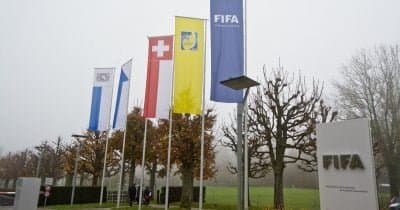
Spain and Portugal are reconsidering their roles as co-hosts of the 2030 World Cup after UEFA's sweeping boycott of FIFA events in protest against the $20 billion privatization plan. This standoff could derail one of football's most anticipated tournaments.
FIFA’s Commercial Subsidiary Sparks Governance Crisis
FIFA’s new proposal aims to launch the FIFA Forward Enterprise (FFE), a commercial entity designed to attract private investors by offering minority stakes while FIFA retains majority control and governance oversight. The organization promises $4.2 billion in fresh funding for football development across its 211 member associations with this structure. However, UEFA, representing 55 European associations, sees this as a dangerous privatization effort that threatens the sport’s integrity.
The European federation's united rejection, joined by Spain and Portugal, was formalized on July 30 with an indefinite boycott of FIFA competitions. This move is unprecedented in decades and serves as a direct challenge to FIFA president Gianni Infantino’s vision. One of his senior advisers resigned in protest, and the Asian Football Confederation also voiced serious concerns.
Implications for Football and Investment Markets
The boycott is more than a sports dispute; it signals a major clash over how football governance should be funded and controlled. UEFA’s stance reflects fears that private capital's influence could prioritize profits over sporting values. The deadline for associations to opt into the FFE and receive upfront payments is September 19, intensifying the pressure on FIFA.
For investors and stakeholders in sports-adjacent markets, this governance crisis introduces uncertainty. The promise of billions in new funds contrasts sharply with the risk of losing control over game rules and league operations. FIFA’s plan could reshape football’s financial landscape but only if it convinces key players to buy in.
Material is informational and not financial advice.