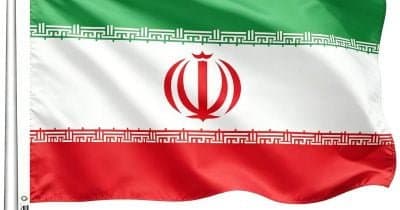
The United Arab Emirates has stepped up its call for former U.S. President Donald Trump to intensify pressure on Iran as tensions in the Middle East escalate. The UAE, facing direct threats from Iranian strikes, is pushing for a more aggressive U.S. approach to prevent potential preemptive actions by Iran, complicating chances for a ceasefire.
Impact on US-Iran Relations and Market Sentiment
This lobbying effort by the UAE signals a shift toward increased military pressure rather than diplomatic resolution. Despite attempts to broker peace, market estimates show just over a 50% chance of a ceasefire between the U.S. and Iran by the end of July, with volatility expected if diplomatic talks falter. The UAE’s firm stance influences regional dynamics, potentially fueling further escalation instead of easing hostilities.
What to Expect Next
Attention now turns to statements from key figures, including Donald Trump and Iranian officials, as their positions could redefine the trajectory of this conflict. The risk of Iran launching preemptive strikes remains a critical concern that could unsettle markets and geopolitics alike. also mediation attempts by countries like Qatar and Pakistan will be closely watched as indicators of whether tensions will rise or ease.
Chevron’s CEO warning on Iran conflict shows how these tensions are already affecting global oil markets, adding economic weight to the geopolitical uncertainty.
This material is for informational purposes only and does not constitute financial advice.