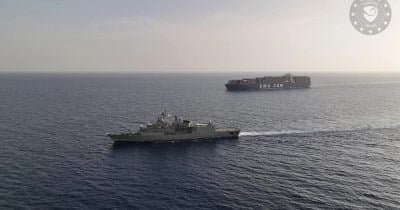
Recent developments have heightened tensions between the US and Iran, centering the conflict on the Red Sea. Iran-backed Houthi forces are active, complicating navigation and raising stakes around the Bab el-Mandeb strait, a critical chokepoint for global shipping. This escalation threatens to broaden the regional confrontation and disrupt international maritime routes.
Meanwhile, the Strait of Hormuz remains a focal point with the odds of normalized traffic by August 31 hovering around 11.5%, up from 6% the day before but lower than the 16% a week ago. These figures reflect growing uncertainty among market participants regarding stability in the area. Diplomatic breakthroughs appear distant as well, with the chance of Iran Reconstruction Funding being part of a US-Iran deal in 2026 staying low.
Market and Geopolitical Signals
Investors and observers monitor the region closely. Any sign of de-escalation or peace talks could sway market probabilities toward normalization. On the other hand, escalating military actions or blockades would likely maintain or increase the current risk perception. Key statements from leaders such as Iran's Supreme Leader or the US President could influence these dynamics significantly. Tracking vessel movements in the Red Sea and Strait of Hormuz will be essential to understanding the evolving situation.
The ongoing dispute over Hormuz Strait agreements feeds into this complexity, as does broader regional strain with various actors vying for influence.
This article is informational and not financial advice.