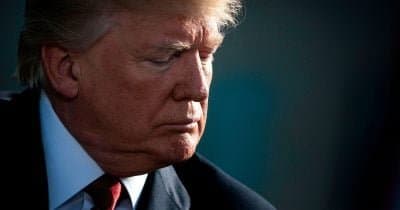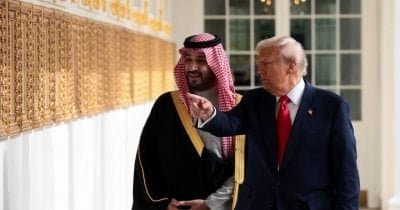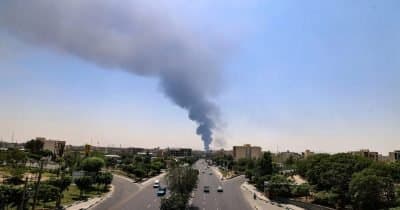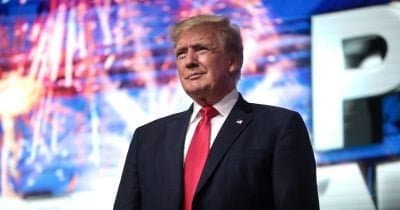
"Diplomacy remains our best tool," said President Trump, signaling a clear shift away from military confrontation in the escalating standoff with Iran. His comments come as the fragile ceasefire hangs in the balance, with both sides wary of triggering a wider conflict. Instead of immediate force, the White House appears to be pushing for renewed dialogue, working closely with Middle Eastern allies to broker peace.
Market signals are responding swiftly. Odds of US-Iran peace talks happening before the end of September have surged, with some speculating on a possible meeting as soon as the end of August. This uptick reflects growing investor confidence that diplomatic channels will remain open, avoiding the costly uncertainties of armed conflict in one of the world’s most volatile regions. The tension, however, is far from resolved: any military maneuver or diplomatic misstep could quickly unravel the delicate truce.
Observers are closely watching statements from the White House and Tehran’s Foreign Ministry, which could confirm upcoming negotiations. The period leading to the end of August is key analysts expect this window to set the tone for what might come next. The stakes are especially high given how previous escalations have roiled markets and regional stability. Trump's approach marks a strategic use of restraint, leveraging military readiness as a backdrop while prioritizing diplomacy.
This move contrasts sharply with past moments when US policy leaned heavily into force. It also raises questions about how Iran’s allies and rivals in the Middle East will react to this shift. Stability in the region is fragile, but current developments hint that, for now, talk remains the preferred route. The unfolding situation is one to watch closely as it could reshape the geopolitical landscape and impact global markets. This is informational content, not investment advice.