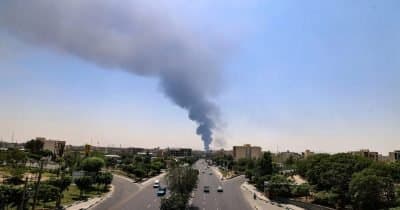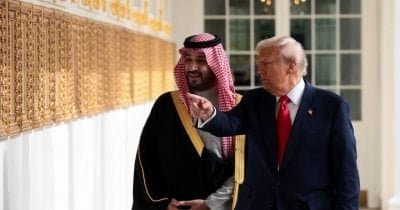
The Saudi crown prince has urged diplomats to focus on dialogue rather than military strikes amidst escalating conflict between the US and Iran. This call for negotiations comes as regional tensions show signs of easing, reflecting Riyadh's influential role in Middle Eastern stability. The US president confirmed the crown prince's stance, signaling a potential pivot away from immediate military action.
Market data shows this shift, with the likelihood of US-Iran peace talks by the end of August climbing sharply from 32% to 44.5% within a single day. Such a surge in diplomatic optimism is closely tied to Saudi Arabia's strategic position in the Gulf, where its preference carries weight in shaping regional outcomes. Observers now watch for any announcements from Washington or Riyadh that could clarify this emerging approach, while also monitoring reactions from Iran and other key players like Israel.
What’s Next in the US-Iran Standoff
The geopolitical landscape remains volatile. Even as talks gain traction, any sudden moves by Iran or shifts in policy from allies could disrupt the fragile progress. The coming weeks, leading up to a critical late-August window, will be decisive. An evolving web of diplomatic efforts and regional responses will determine whether peace talks proceed or conflict intensifies.
Previous US preference for talks over strikes echoes in current developments, suggesting a consistent trend favoring diplomacy over confrontation.
This content is for informational purposes and does not constitute financial advice.