President Trump introduced a new condition to the US-Saudi civilian nuclear agreement: Saudi Arabia must join the Abraham Accords and normalize ties with Israel. This unexpected move came just hours after the nuclear deal was finalized on July 23, surprising both diplomats and observers.
The pact focuses solely on civilian nuclear energy development, with a clear ban on uranium enrichment. This restriction is a key concession aimed at reassuring US and Israeli officials worried about nuclear weapons proliferation. Saudi Arabia agreeing to this stricter rule marks a tougher stance than the 2015 Iran nuclear deal, which allowed some uranium enrichment.
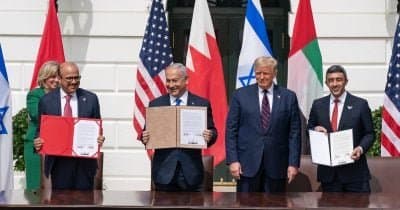
Originally, the deal did not mention the Abraham Accords. Trump’s announcement on Truth Social added this diplomatic condition, which the White House later confirmed, noting ongoing talks with Saudi representatives. The Abraham Accords, forged in 2020 during Trump’s first term, normalized relations between Israel and several Arab nations, but Saudi Arabia has yet to join this initiative.
Geopolitical Stakes and Market Implications
Trump’s move transforms a technical energy agreement into a high-stakes political negotiation. Saudi Crown Prince Mohammed bin Salman has expressed conditional openness to normalization, linked to Palestinian issues that Israel remains reluctant to address. If Saudi Arabia accepts, it would be the biggest breakthrough in Arab-Israeli relations since the original Accords.
Beyond geopolitics, this shift carries weight for markets. Saudi Arabia's Public Investment Fund oversees $930 billion in assets and has been diving into tech, including blockchain and digital assets, aligned with its Vision 2030 strategy. The UAE, already part of the Abraham Accords since 2020, has become a crypto hub, building frameworks that attract major exchanges and investors.