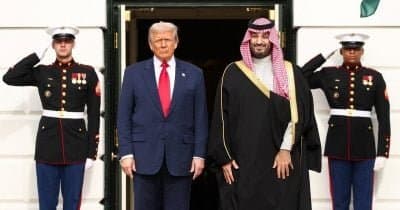
The US-Saudi civilian nuclear agreement signed on July 22, 2026, faces a significant stumbling block. Just a day after the deal was inked, President Trump made it clear: the deal won’t move forward unless Saudi Arabia normalizes relations with Israel by joining the Abraham Accords.
The agreement focuses solely on civilian nuclear cooperation, excluding any military applications. It’s modeled after a similar deal the UAE has, aiming to help Saudi Arabia expand its energy options beyond oil, aligning with its Vision 2030 plan to reduce economic dependence on fossil fuels.
The Diplomatic Conditionality
Israel has voiced deep concerns about regional nuclear proliferation. As a result, new conditions were added, including the need for congressional approval, which adds another layer of complexity to finalizing the deal. Trump’s demand that Saudi Arabia join the Abraham Accords the diplomatic framework he helped launch in 2020, which normalized ties between Israel and countries like the UAE, Bahrain, Sudan, and Morocco positions the nuclear agreement as use for broader geopolitical shifts.
Saudi officials have long linked normalization with Israel to the recognition of a Palestinian state, a stance rooted in both internal political considerations and the kingdom’s role as guardian of Islam’s holiest sites. Crown Prince Mohammed bin Salman has hinted at openness to normalization but consistently attaches it to progress on Palestinian statehood.
Congressional approval remains a critical hurdle. Even if Riyadh signals readiness to establish formal ties with Israel, lawmakers may hesitate due to long-standing concerns about nuclear technology spreading in the Middle East. Israel’s position is also nuanced: it desires normalized relations but worries about the potential risks of civilian nuclear capabilities in its neighborhood.
This development comes amid ongoing pressure in the region, as shown by previous US actions targeting Iran, revealing Washington’s continued strategic focus on Middle Eastern stability and influence.