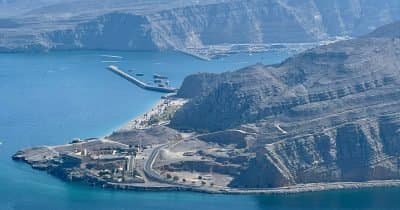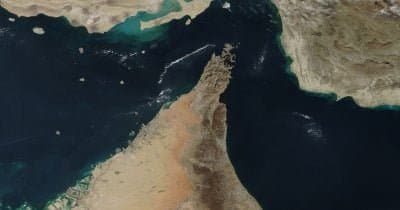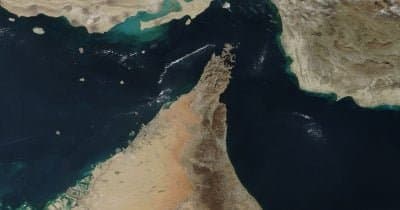
President Donald Trump has stepped back from launching military strikes against Iran after pressure from allies convinced him a diplomatic breakthrough might be within reach. The Strait of Hormuz, a strategic chokepoint for global oil shipments, has been at the center of escalating tensions due to Iranian actions and a looming blockade threat. Yet, instead of immediate conflict, ongoing negotiations involving the U.S., Iran, Israel, and regional powers like Qatar and Saudi Arabia suggest a fragile pause and the possibility of a deal.
Diplomacy Gains Ground Amid Rising Market Expectations
The shift in U.S. strategy follows a sharp uptick in market confidence that the Iranian blockade could end before the end of August 2026. Odds surged from 30% to almost 60% within a single day, reflecting optimism that the diplomatic talks are edging closer to a resolution. Trump’s announcement to delay strikes aligns with this trend, signaling that military escalation is no longer the immediate priority despite the high stakes involved.
Key Players and the Uncertain Road Ahead
While no formal agreement has yet been signed, the involvement of key regional players is vital. Qatar and Saudi Arabia have been mediators, attempting to ease tensions that have rattled energy markets and geopolitical stability. Observers are watching closely for updates from the U.S. Central Command and further statements from Trump, as any renewed blockade or military action could rapidly undo the fragile calm.
The Strait of Hormuz remains a flashpoint. Its control impacts the flow of roughly 20% of the world’s oil, making any disruption a global concern. The current lull offers a chance to avoid conflict and secure the vital maritime route, but the situation is far from resolved. Progress in talks could mean reopening critical shipping lanes, while failure could trigger fresh confrontations.
This content is for informational purposes only and should not be considered financial advice.