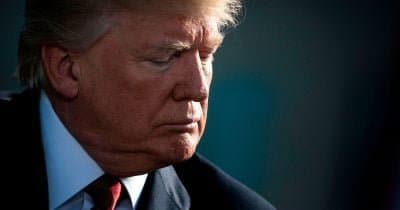
President Donald Trump called off a planned military strike against Iran on August 2, marking the fourth cancellation this year. The move follows pressure from Tehran and Gulf allies like Qatar, Saudi Arabia, and the UAE, shifting focus toward diplomacy over conflict.
Four Strikes Called Off Amid Diplomatic Talks
Earlier this year, Trump had backed away from similar strikes in May, June, and July, each time citing ongoing negotiations. This pattern of brinkmanship keeps tensions high but avoids direct confrontation. Trump's announcement on Truth Social painted the cancellation as a strategic decision to support allies rather than a sign of weakness. The proposed diplomatic framework targets two critical issues: reopening the Strait of Hormuz, a key artery for 20% of the world's oil, and curbing Iran's nuclear program.
Iran's defense minister responded cautiously, indicating Tehran is alert but not passive in these talks. Meanwhile, U.S. Vice President JD Vance may be involved in the high-level discussions, although no firm deal has been reached.
Market Ripples and Crypto’s Changing Role
The Strait of Hormuz's significance to global oil supplies means any military action or threat there sends shockwaves through commodity markets. The latest strike cancellation eases immediate pressure on oil prices, reducing the risk premium that usually accompanies Gulf instability. Still, without a finalized agreement, the threat lingers just beneath the surface, keeping markets on edge.
Cryptocurrencies like Bitcoin have started to move more in line with traditional risk assets during geopolitical events. While no direct link connects Iran’s situation to specific digital tokens, the broader macroeconomic impact especially on oil could influence crypto markets indirectly. For instance, rising energy prices from a disrupted Strait would likely feed into inflationary pressures, affecting investor sentiment across assets. This dynamic echoes patterns seen when oil prices surge amid geopolitical crises, as recently explored in rising oil prices and Iran conflict weigh on Eurozone consumer spending.
This material is informational and does not constitute financial advice.