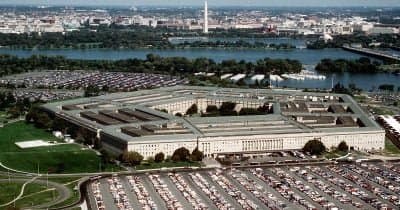
The Trump administration unveiled new military and financial measures aimed directly at Tehran, signaling a tougher stance amid ongoing negotiations between the U.S. and Iran. These actions are part of the broader maximum-pressure campaign targeting Iran’s economic and military capabilities. The move suggests the U.S. is keeping military options on the table while pushing diplomatic talks forward.
Reported by Iran International on social media, the announcement reflects a heightened tension as it combines expanded sanctions with the threat of military force. Earlier in July, the U.S. declared a resumption of hostilities, and this latest update continues that pattern of mixing confrontation with diplomacy. The strategy is designed to pressure Iran into meeting U.S. demands by restricting financial resources and maintaining readiness for potential military action.
In prediction markets tracking the likelihood of a U.S.-Iran deal by the end of 2026, the odds of Iran receiving reconstruction funding as part of any agreement have taken a hit. The probability has dropped slightly, mirroring the increased tension and uncertainty caused by the new measures. Fluctuations in market pricing over the last day or two suggest traders are reacting to these developments with caution.
Observers will be watching for Tehran’s response to the announcement, as well as any statements from figures like Iranian Foreign Minister Javad Zarif or U.S. Chief Negotiator Mike Vance that might hint at shifts in the talks. Meanwhile, the dual approach of sanctions and military preparedness remains central to U.S. policy. This approach has faced scrutiny in the past, for example in discussions about the effectiveness of Trump’s Iran pressure without clear goals among experts.
Markets showed a modest pullback in optimism for reconstruction funding, reflecting the broader geopolitical uncertainty.
This content is informational and does not constitute financial advice.