On July 15, 2026, Morocco took a decisive step by signing an agreement with the Gaza Board of Peace (BoP) to formally join the International Stabilization Force (ISF). This agreement marks a significant commitment of resources and diplomatic influence towards the reconstruction of Gaza amid its ongoing recovery efforts.
Morocco's involvement is particularly impactful as it elevates the Arab presence in a framework that has been gradually assembled since early 2026. Alongside other nations like Albania and Greece both of which committed troops in mid-June Morocco's participation adds a layer of regional legitimacy, a crucial factor in gaining broader acceptance for the BoP’s mission.
Understanding the Background
The BoP was established during the World Economic Forum in Davos earlier this year, spearheaded by former President Donald Trump. It aims to provide governance and support for the rebuilding of Gaza, which has faced immense challenges following the recent conflicts. The UN Security Council Resolution 2803, adopted in November 2025, laid the groundwork for international stabilization efforts, empowering initiatives like the BoP.
As Morocco ratified the BoP charter on January 19, 2026, it positioned itself as a key player even before the formal commitment to the ISF this June. With the overarching vision of rebuilding Gaza under a reformed Palestinian Authority, the BoP is expected to serve as interim governance, bridging significant diplomatic gaps in the region.
Financial Concerns and Innovative Solutions
Despite Morocco's commitment to the ISF, the financial burden of Gaza's reconstruction remains daunting. Estimates suggest that rebuilding efforts could exceed $70 billion, while current pledges from BoP member states range only from $5 billion to $17 billion. This shortfall highlights the pressing need for innovative financial solutions.
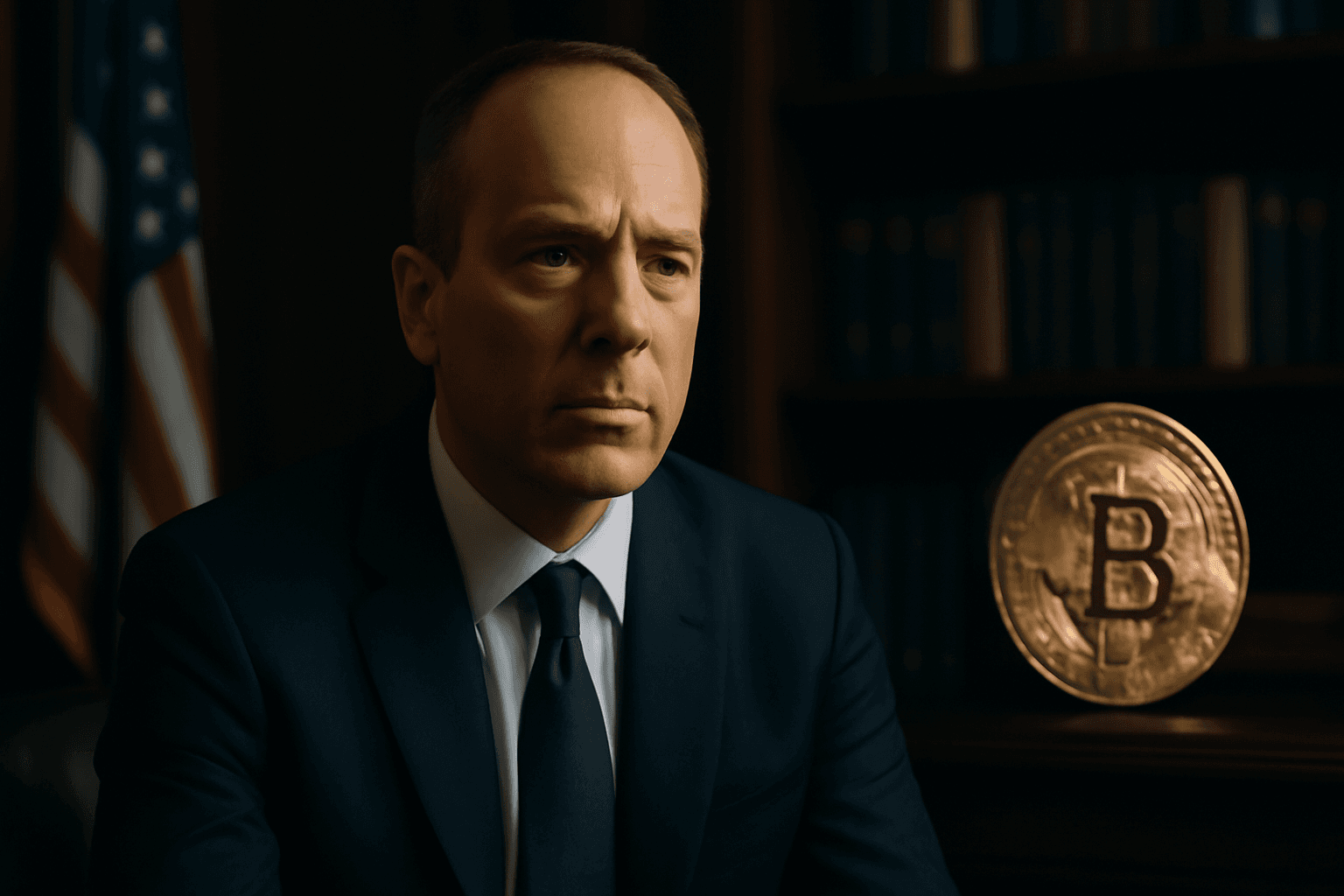
One such solution under consideration is a USD-pegged stablecoin to facilitate digital payments within Gaza. As conventional banking systems are largely absent, this digital currency could offer a much-needed lifeline. Israeli tech entrepreneur Liran Tancman is leading discussions on this venture, although no specific tokens have been launched yet. Caution prevails, however, as US Senators Jeff Merkley and Elizabeth Warren have voiced concerns about oversight and potential issues similar to past aid distributions in the region.
Implications for Investors
Morocco's decision to join the ISF has wider implications that extend beyond troop deployments. By taking this step, Morocco reinforces its role as a diplomatic bridge among Arab nations, Africa, and Western alliances. This engagement increases the BoP's credibility and could stimulate interest from investors looking at the reconstruction of Gaza as a potential area for growth and development.
For those watching the geopolitical landscape, Morocco’s involvement suggests that the convergence of diplomatic and military resources could yield favorable conditions for investors. The inclusion of an Arab nation in a primarily Western-led initiative signifies a potential shift in regional dynamics. As such, stakeholders in the reconstruction process, including international organizations and private investors, may find renewed confidence in participating.
This article is for informational purposes only and does not constitute financial advice.