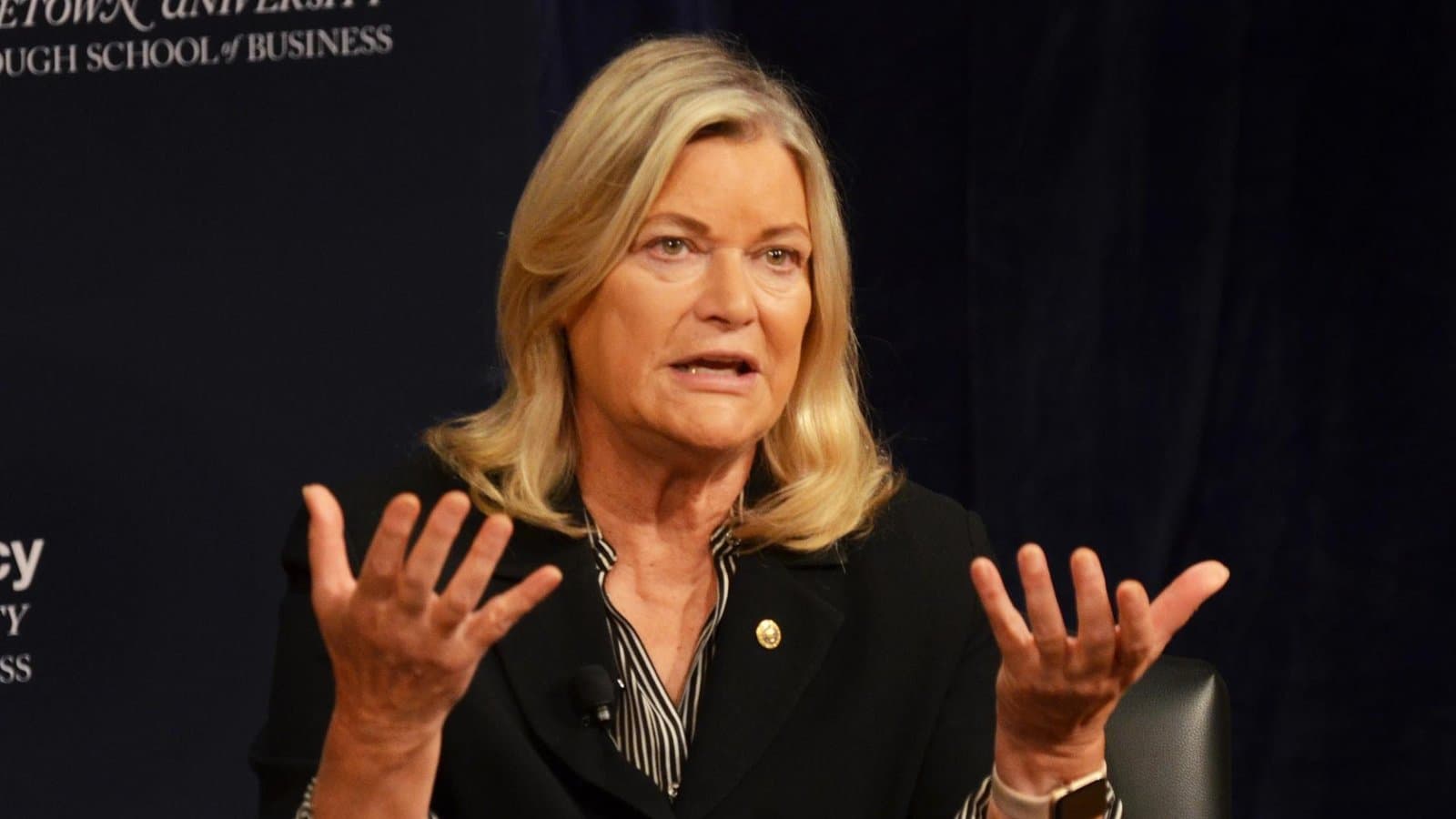
The Electronic Frontier Foundation's India McKinney is sounding the alarm: the KIDS Act, currently under consideration in Congress, goes far beyond requiring age verification on websites. According to McKinney, the bill would effectively construct a nationwide surveillance and censorship infrastructure, and the fact that lawmakers are treating it as routine child-safety legislation is itself the problem.
More than a digital ID check
Age verification sounds benign on paper. Show your ID, access the site. Done. But the mechanics of building such a system at internet scale demand something much larger: a persistent mechanism to identify, track, and filter users across platforms. McKinney argues the KIDS Act doesn't just card users at the door. It creates the legal and technical scaffolding for ongoing monitoring of online activity, with children used as the justification and everyone else caught in the net.
The EFF's core objection is structural. Any system that can verify a user's age can also log what that user does, where they go, and when. Once that infrastructure exists, its scope tends to expand. Governments and companies rarely build surveillance capacity and then leave it idle.
What the bill would actually require
To function as written, the KIDS Act would push platforms to collect and process identity data on a mass scale. That means:
- Mandatory age verification before accessing broad categories of online content
- Platforms retaining or transmitting identity data to comply with the law
- A legal framework that could be extended to restrict content beyond what's currently defined as harmful to minors
McKinney's argument is not that child safety online is a fake concern. It's that this particular legislative tool is grossly disproportionate to the stated goal, and that a bill capable of building a censorship regime deserves far more scrutiny than it's currently getting from the public or the press.
The EFF has consistently opposed legislation that trades privacy for the appearance of protection, pointing to past examples where "safety" framing was used to justify broad data collection that outlasted its original purpose. The KIDS Act, McKinney warns, fits that pattern precisely.