"The clock is ticking," said one industry insider as the Senate prepares to adjourn in just two weeks. Lawmakers have unveiled a new draft of the Digital Asset Market Clarity Act, aiming to unite previous versions from the Senate Banking and Agriculture Committees while introducing a fresh ethics clause. This clause would prevent senior officials from launching their own cryptocurrencies, a direct nod to concerns raised by President Donald Trump's crypto dealings.
The updated bill marks progress but stops short of resolving core disputes that threaten its passage. Democrats push for a stronger ethics provision targeting Trump’s reported $1.4 billion gains from crypto last year. Their demand: a binding measure that holds Trump accountable beyond his presidency. However, Republicans and the White House back a softer approach, allowing Trump a grace period to divest or place assets into a blind trust. This discrepancy creates tension, as Democrats distrust the Department of Justice to enforce the rules impartially during Trump's term.
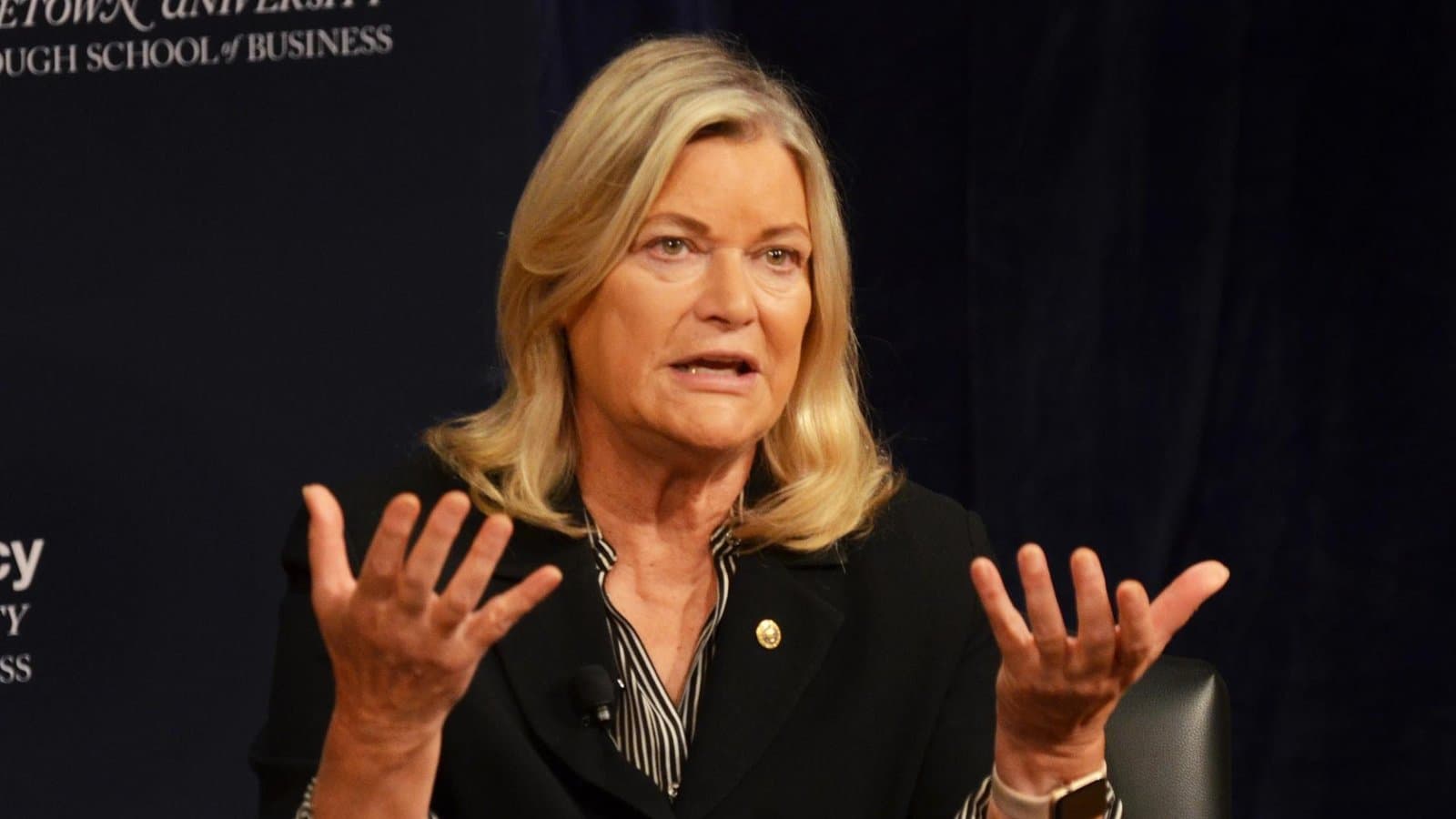
Senator Cynthia Lummis and other supporters argue the ethics rule covers a broad range of officials and judges, not just Trump. White House advisor Patrick Witt and various crypto participants view the provision as one of the most full ethics measures introduced to date. Still, the bill’s fate remains uncertain as bipartisan consensus on this key item lags behind.
With the Senate’s session ending soon, the legislation must surmount political hurdles quickly or risk delay. The stakes extend beyond ethics: the bill promises to reshape how federal regulators oversee digital assets, potentially transforming the space. Meanwhile, tensions around enforcement and political will will dictate if Clarity moves forward or stalls. In related developments, crypto markets recently showed sharp reactions to political maneuvering, reflecting the volatile intersection of policy and finance.