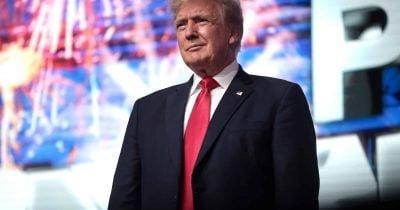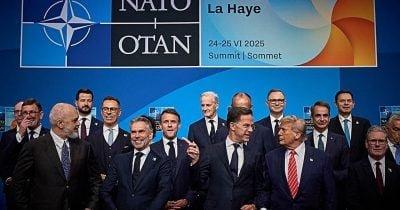
In a recent NATO summit held in Ankara, President Donald Trump characterized the discussions as "tremendously successful," highlighting a notable shift in European defense approaches amidst ongoing geopolitical challenges. The summit concluded with European leaders announcing significant increases in their defense budgets, inclusive of $50 billion earmarked for new arms deals. This development is particularly relevant in the context of Russia's ongoing aggression in Ukraine and a precarious ceasefire with Iran.
Why This Matters
The NATO summit outcomes may signal a temporary relief in transatlantic tensions that have historically flared over defense spending and burden-sharing dynamics. A united front among NATO members committing to enhance their military investments could lead to a more robust collective defense posture.
- All NATO members have reportedly met or surpassed the 2% GDP defense spending target.
- The new arms deals announced amount to $50 billion in investments.
- Market indicators suggest a decrease in the perceived likelihood of U.S.-Russia military confrontations by the end of 2026.
Looking Ahead: Potential Market Impact
Investors and analysts should be vigilant as the implications of these financial commitments unfold. Increased defense spending might not only bolster the security of NATO allies but also reshape the broader geopolitical landscape, particularly concerning Russia's military activities. As markets react to these developments, one key area of focus will be the evolving military posture of the United States and subsequent European defense initiatives.
Furthermore, ongoing negotiations surrounding the U.S.-Iran ceasefire and Russia's maneuvers in Ukraine will likely play crucial roles in the evolving security narrative. Each of these factors will influence market sentiments in relation to potential military conflicts, thereby guiding investor strategies in a volatile environment.
Key Factors to Monitor
As the situation develops, observers should pay close attention to:
- Changes in U.S. military deployment strategies following the summit.
- The extent to which European countries maintain their defense spending commitments.
- New initiatives in European security policy, especially pertaining to Russia.
Disclaimer: This material is for informational purposes and does not constitute financial advice.