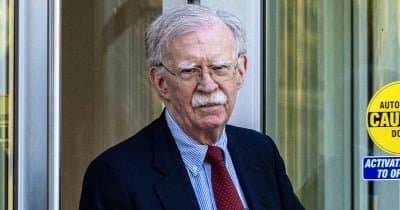
Recent military strikes by the United States and Israel have reportedly left Iran in a precarious state, devoid of a clear leadership figure capable of engaging in peace negotiations. John Bolton, a prominent former national security advisor, articulated this situation in a recent commentary, suggesting that the coordinated military operations have effectively disrupted Iran's political hierarchy.
The claim is underscored by a prediction market on Polymarket, where the likelihood of Iran lacking a head of state by the end of 2026 has surged to 74.5%. Just a day earlier, the odds were even higher at 80%, indicating that market participants are responding to the evolving political landscape with considerable apprehension.
Amid this uncertainty, there are whispers about Mojtaba Khamenei potentially stepping into a leadership role, with his odds of becoming head of state now assessed at 74%. Nonetheless, these numbers reflect deep-seated unpredictability in Iran’s internal politics, suggesting that while some see a possible consolidation of power, many remain skeptical about a stable leadership emerging.
The Danger of Leadership Vacuums
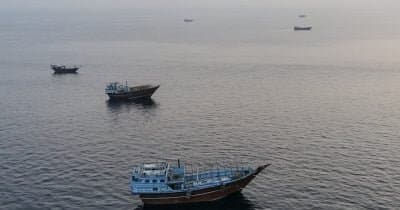
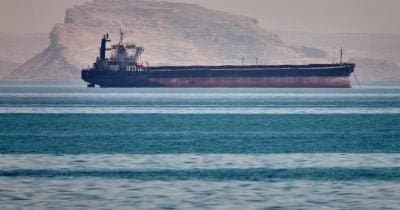
The absence of effective leadership in Iran poses significant risks, not only for the nation itself but for the broader Middle East landscape. Leadership vacuums often lead to chaos and power struggles, and Iran's case could invite opportunistic actions from neighboring states or extremist groups. The fragile ceasefire that currently exists, coupled with Iran's recent military actions against commercial shipping, adds another layer of tension to an already volatile situation.
Market Sentiment and Future Monitoring
Market participants are advised to keep a close watch on developments surrounding Mojtaba Khamenei and any official announcements from Iran’s Assembly of Experts or the Islamic Revolutionary Guard Corps (IRGC). These announcements could significantly influence perceptions regarding Iran’s leadership and the potential for stability. As the U.S. deadline for Iran to halt its aggressive shipping attacks approaches on July 15, there is a palpable sense of urgency.
In summary, the geopolitical climate surrounding Iran remains fluid, influenced by both military actions and internal power dynamics. Understanding the implications of a leadership vacuum is crucial for anticipating future developments in this complex region.
This material is for informational purposes only and should not be considered financial advice.