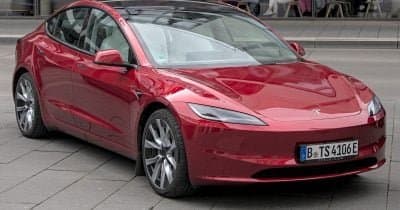
Tesla pulled 93,579 vehicles off assembly lines at its Shanghai Gigafactory in July. That crushes the 67,886 units from the same month last year, marking a 38% jump that breaks a pattern of summer softness the factory has battled for years.
The China Passenger Car Association tracked these numbers covering Model 3 and Model Y production. Shanghai remains Tesla's workhorse, pumping out more than half the company's total vehicles and feeding both China's domestic appetite and export channels across Asia and Europe. When the factory opened in late 2019, it became Tesla's first wholly owned operation on Chinese soil, and July's results show it's running hot again.
The China wildcard
But there's a shadow here. Tesla is quietly running a strategic review of its entire China business, with talks that could range from restructuring to an outright sale. A separation or divestment would shake the company's economics to its core. Shanghai isn't just another plant, it's the spine. Strip it away and you're looking at shattered supply chains, compromised production scale, and a weakened position in the world's largest EV market.
So the delivery pop could signal momentum building, or it could be noise before bigger moves. Investors need to watch three things closely. First, whether July's numbers hold or fade as months roll forward. Second, how far this China review actually goes. Third, whether Tesla's balance sheet stays stable or shifts under the weight of strategic shifts.
Tesla holds 11,509 Bitcoin on its books as of mid-2026, with no sales during Q2. The company booked $112 million in unrealized losses from crypto volatility that quarter, a number that moves with markets and adds another variable to watch.
Stock traders shrugged at the delivery beat, pricing in the China uncertainty for now.
This article is for informational purposes only and should not be considered financial advice or an investment recommendation.