Tennessee and Georgia Tighten the Screws on Crypto ATMs with New Rules
Tennessee's crypto ATM ban has officially gone into effect, while Georgia has also enacted new restrictions. Meanwhile, Minnesota operators have until August 1 to comply with a similar law.
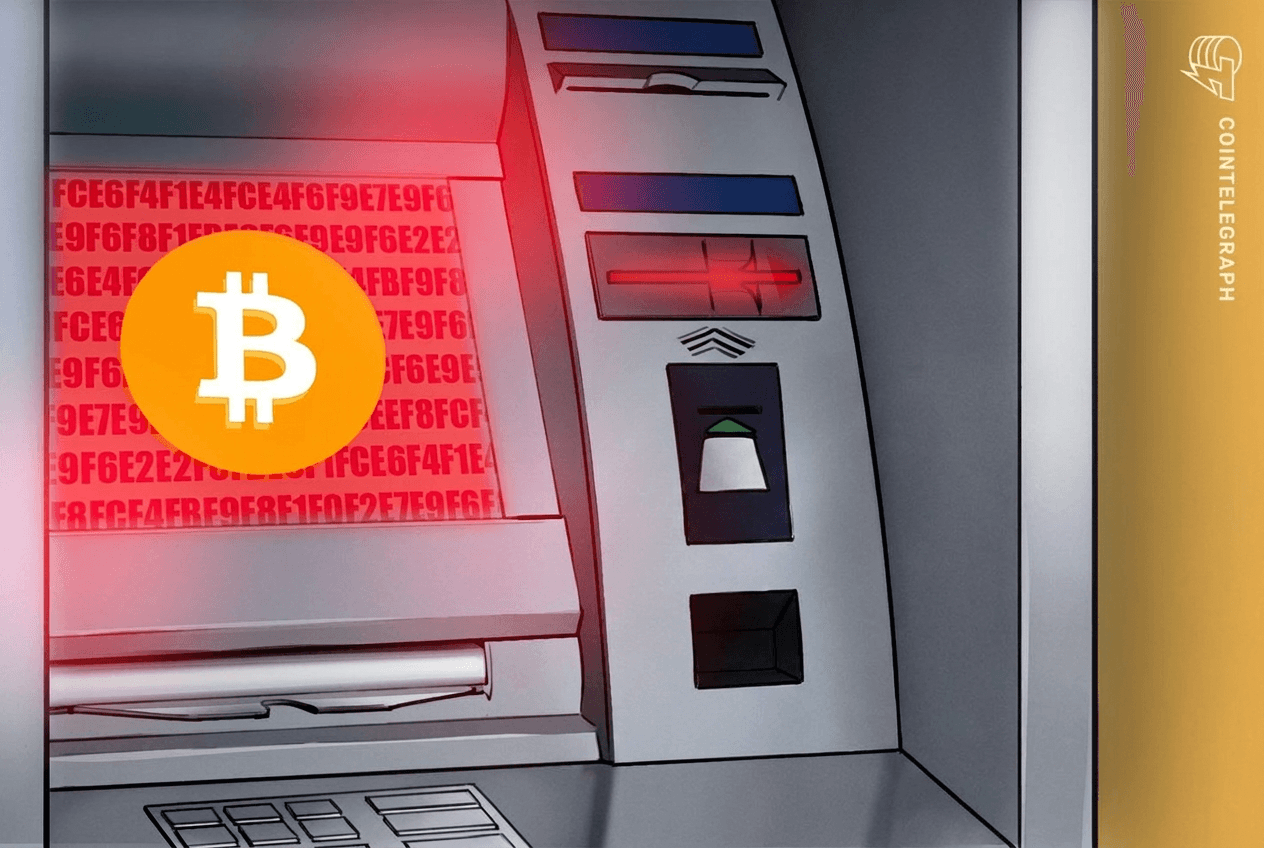
The United States is witnessing a significant tightening of regulations around cryptocurrency ATMs, with two Southern states now leading the charge. Tennessee's outright ban on crypto ATMs has officially taken effect, marking a pivotal moment in the country's evolving approach to digital asset accessibility at the retail level.
Georgia has also joined the wave of restrictive measures, implementing its own set of rules that place new limitations on how crypto ATM operators can conduct business within the state. Together, these moves signal a growing willingness among state legislatures to intervene directly in the physical crypto infrastructure landscape.
The trend does not stop at the borders of Tennessee and Georgia. Operators in Minnesota are also facing a ticking clock — they have been given until August 1 to bring their businesses into compliance with a similarly restrictive law passed in that state. Failure to meet that deadline could result in machines being taken offline or operators facing legal consequences.
Crypto ATMs have long served as one of the most accessible entry points into the world of digital currencies, particularly for individuals who may not have easy access to traditional banking or online crypto exchanges. These kiosks, often found in convenience stores, gas stations, and shopping centers, allow users to buy and sometimes sell cryptocurrencies using cash.
However, regulators and law enforcement agencies have increasingly flagged crypto ATMs as vectors for financial fraud, money laundering, and scams targeting vulnerable populations, particularly the elderly. The concern is that the relative anonymity and ease of cash transactions make these machines attractive tools for bad actors.
As a result, states are moving to either ban the machines outright or impose strict operational requirements, including transaction limits, enhanced identity verification, and consumer protection disclosures.
The rapid disappearance of crypto ATMs from the American landscape raises broader questions about balancing financial innovation with consumer protection. Industry advocates argue that proper regulation, rather than blanket bans, would be a more proportionate response, preserving access while addressing legitimate security concerns.
For now, the direction of travel appears clear: crypto ATM operators across the United States should expect the regulatory environment to become increasingly challenging in the months and years ahead.