When Industry Leaders Turn on Each Other: What the $200M Binance Lawsuit Really Signals
Binance faces a $200 million UK class action lawsuit in 2026 while OKX's CEO publicly condemns CZ — together, these developments mark a turning point in crypto's accountability culture and carry real consequences for investors and the broader market.
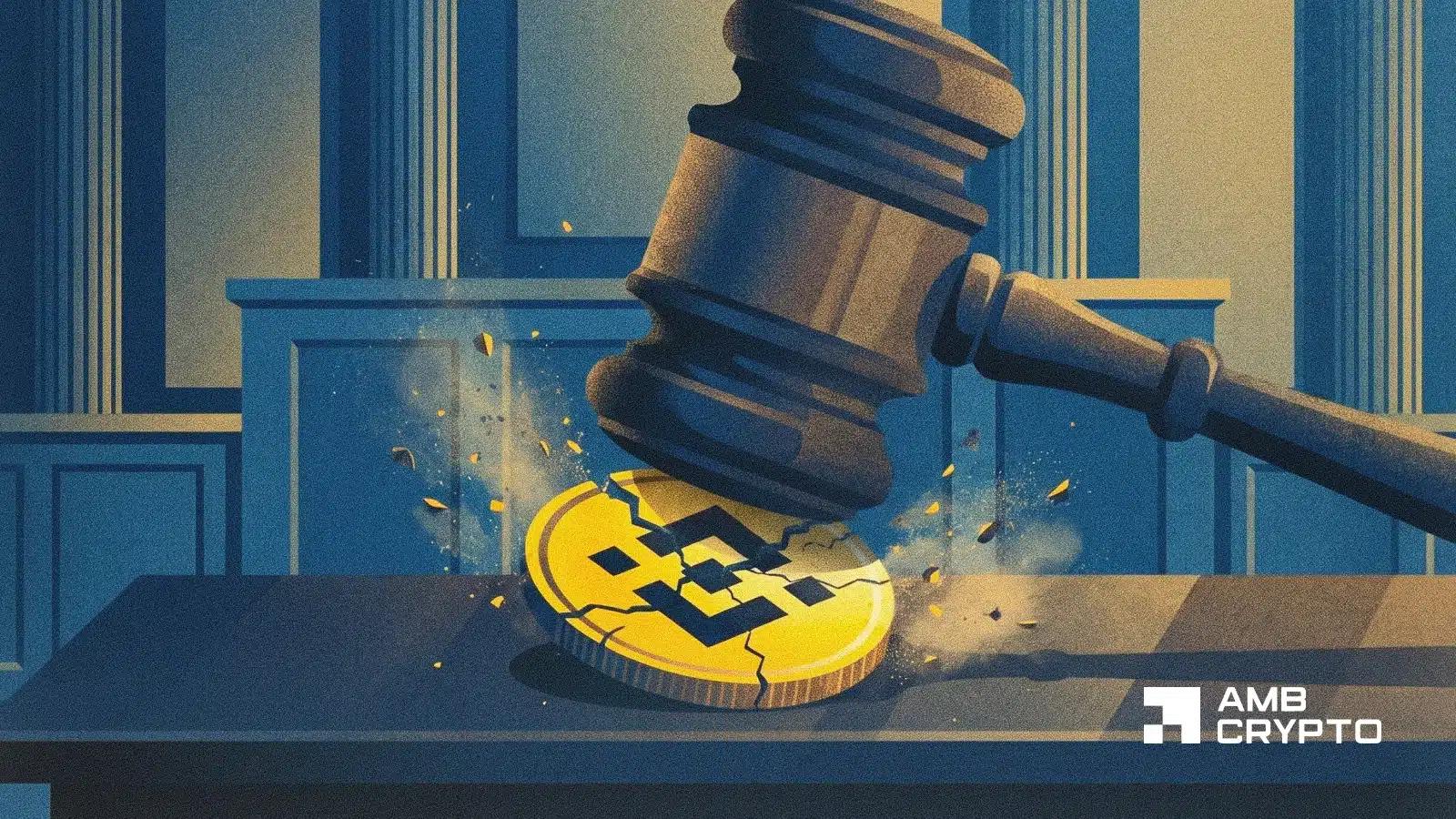
The year 2026 has not been kind to Binance. The world's once-dominant crypto exchange is now facing a £200 million (approximately $200 million) class action lawsuit filed in the United Kingdom — and if the mounting legal pressure were not enough, a high-profile public rebuke from a rival CEO has added a layer of reputational damage that no court filing can easily quantify.
OKX chief executive officer has gone on record expressing personal shame over Changpeng Zhao, the founder and former CEO of Binance, widely known in the industry as CZ. The statement is not merely a headline-grabbing jab — it represents a meaningful shift in how crypto's own leadership class is beginning to distance itself from figures whose legal and ethical controversies have become impossible to ignore. When a peer CEO uses language as charged as 'ashamed,' it signals that the internal consensus-building that has long shielded prominent crypto figures is beginning to erode.
The UK class action lawsuit is significant for several reasons that go beyond its size. Class actions in the United Kingdom are notoriously difficult to certify and pursue, making the fact that this case has advanced a signal of substantial legal grounding. Plaintiffs in such suits typically need to demonstrate a common harm suffered by a defined group — in the crypto context, this almost certainly points to allegations of misleading trading conditions, inadequate customer protections, or misrepresentation of services offered to UK-based users. The £200 million figure is not arbitrary; it reflects aggregated claims from what is likely a large cohort of retail investors who believe they were materially harmed.
For the broader market, the implications are layered. First, this lawsuit arrives at a moment when regulatory frameworks across the EU and UK are tightening dramatically — MiCA in Europe and the FCA's increasingly assertive posture in Britain are reshaping what exchanges must prove about their compliance infrastructure. A successful class action against Binance in the UK would set a powerful precedent, emboldening similar actions in other jurisdictions and potentially accelerating regulatory scrutiny of competitor platforms as well.
Second, CZ's personal standing remains a live variable. Having already navigated a high-profile legal resolution in the United States, the former Binance chief now faces renewed scrutiny through the lens of UK civil litigation. The OKX CEO's public criticism suggests that CZ's influence — once enormous across the industry — is being actively contested by rivals who see an opportunity to reposition their own platforms as more compliant and trustworthy alternatives.
Third, for institutional investors and large retail holders, Binance's legal troubles introduce counterparty risk considerations that cannot be dismissed. While Binance has consistently maintained operational continuity through previous legal challenges, the cumulative weight of regulatory actions and now a nine-figure class suit in a major Western jurisdiction raises legitimate questions about long-term platform stability and the safety of assets held on the exchange.
The deeper story here is about the maturation — or rather, the painful growing pains — of the crypto industry. For years, exchanges operated in regulatory grey zones, and prominent founders cultivated near-mythological status that insulated them from accountability. What we are witnessing in 2026 is the systematic dismantling of that dynamic. Peer criticism from OKX's leadership, class action litigation in the UK, and tightening global regulation are not isolated events — they are interconnected signals of an industry being forced to reckon with standards it long resisted.
For investors, the calculus is straightforward: diversification of exchange exposure, preference for platforms with demonstrable regulatory compliance, and heightened vigilance around the legal health of custodians holding their assets are no longer optional best practices. They are essential risk management in an environment where even the largest names are no longer too big to be held accountable.