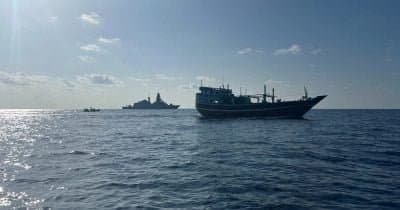
Six Saudi supertankers have shifted their routes away from the Gulf of Aden. The move signals renewed wariness about Houthi threats in waters where attacks on commercial shipping have disrupted global trade before.
According to Middle East Eye, the rerouting reflects a spike in perceived risk from the Yemeni Houthi movement, despite an October 2025 ceasefire that halted direct hostilities. No actual attacks have surfaced in recent months, yet shipowners are already steering clear of the region. The tankers represent significant cargo volume tied to Saudi Arabian operations and the broader Strait of Hormuz corridor.
The pattern matters because even precautionary diversions can compress shipping capacity and drive up transit costs. When major carriers avoid chokepoints like Bab el-Mandeb, routes stretch longer and vessels sit idle longer waiting for slots through alternate passages. Traders watch these moves closely as early signals of either genuine escalation or market jitters about what could come next.
Military observers will likely track whether the U.S. Navy or Saudi authorities announce new deployment postures in response. Increased naval presence sometimes settles tanker captains' nerves, other times it signals officials expect worse. The Gulf of Aden and surrounding waters remain strategically critical for global energy flows, making any sustained disruption a potential market mover across commodities and shipping-linked equities.
This material is informational and should not be construed as financial advice or investment recommendation.