SEC Officials Expect Crypto Clarity Act to Clear Senate This Summer Amid Push for Cleaner Digital Asset Rules
SEC Commissioner Hester Peirce expects the Clarity Act to pass the Senate this summer, while Chair Paul Atkins reaffirms the administration's goal of making the U.S. the global crypto hub. Both officials outlined a vision of open markets and clearer digital asset regulation.
As the United States celebrated its 250th anniversary, America's top securities regulators delivered a unified message centered on open capital markets, expanded investor access, and a well-defined legal foundation for digital assets.
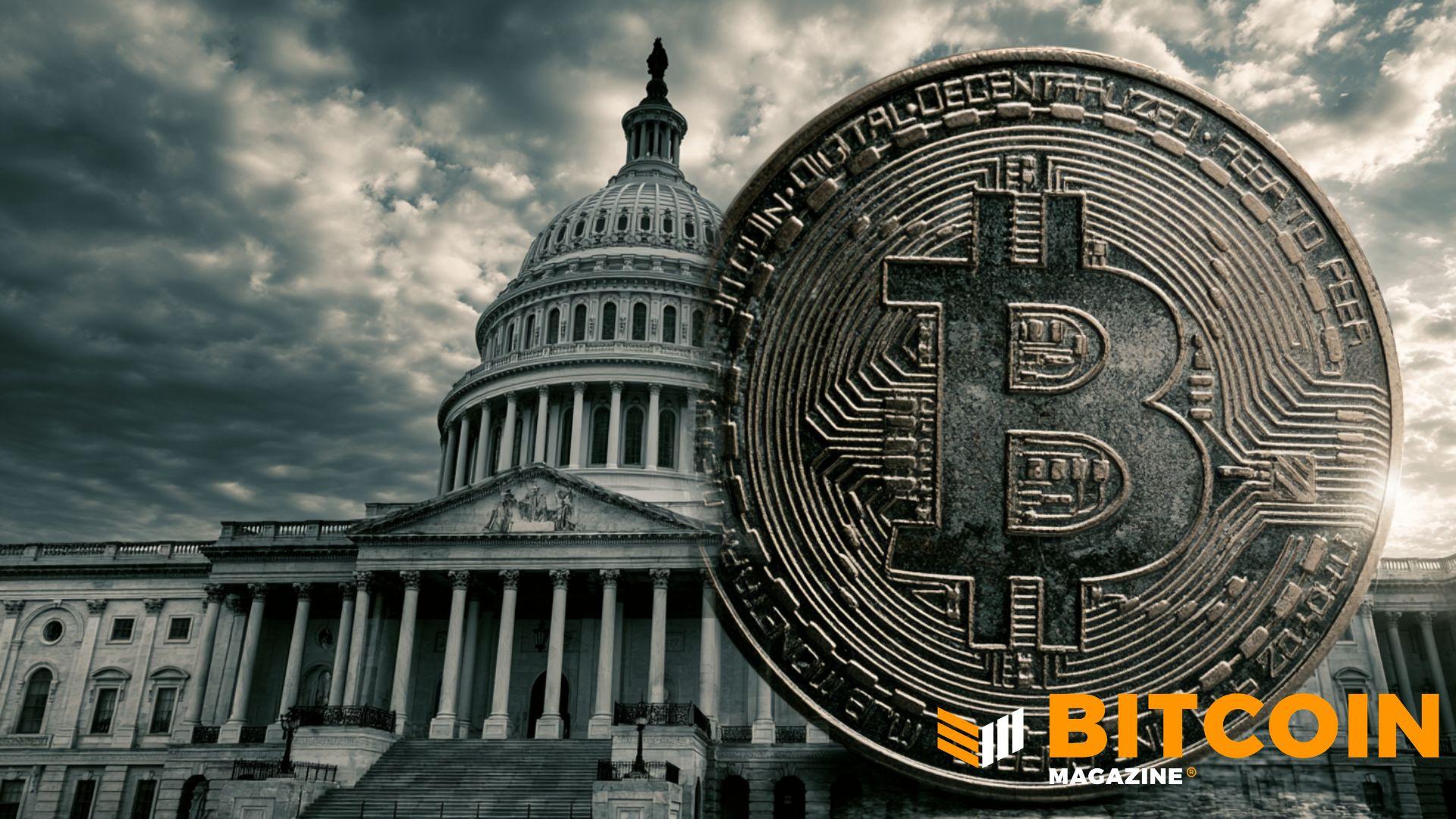
SEC Commissioner Hester Peirce expressed confidence that the Clarity Act will be passed by the Senate before the summer ends. The bill has already moved through the House and is now awaiting Senate consideration. Peirce, who has prior experience with the Senate Banking Committee dating back to the financial crisis era, acknowledged the legislation's complexity, describing it as a substantial piece of law with numerous components. She praised the collaborative efforts of legislators across both chambers.
If enacted, the Clarity Act would establish a shared regulatory framework between the SEC and the Commodity Futures Trading Commission, dividing oversight responsibilities for crypto assets and building out a federal structure for spot markets — an area currently lacking any formal federal architecture.
Peirce elaborated on how the bill would sharpen the application of the Howey Test, the long-standing legal benchmark for determining whether a token qualifies as part of an investment contract. Importantly, the legislation would also protect developers from legal liability when third parties misuse the tools they create.
Reflecting on past regulatory approaches, Peirce was critical of enforcement-first tactics, arguing they inadvertently rewarded low-effort projects while making it nearly impossible to distinguish legitimate builders from bad actors. She described the current moment as a rare opportunity to course-correct.
"This is a rare window where you have a lot of regulatory goodwill," Peirce said during an appearance on the Searching for Mana podcast. "Use that to build things that last, things that matter."
Peirce connected the broader promise of blockchain technology to several practical applications: value transfer across networks, the elimination of expensive middlemen, and the automation of back-office processes through smart contracts. She also discussed how tokenized securities could enhance collateral mobility, simplify securities lending, and allow companies to communicate with shareholders directly through crypto wallets.
On the intersection of crypto and artificial intelligence, Peirce predicted that AI-driven agents will increasingly transact using crypto assets. Regarding AI regulation more broadly, she advocated for a light-touch approach — permitting experimentation while addressing harms only as they emerge, rather than preemptively constraining development. She was careful to note, however, that reliance on AI does not absolve any company of responsibility for the results it produces.
With her term at the SEC drawing to a close, Peirce is set to transition to a law school teaching role. She identified the growth of financial scams and widespread gaps in investor education as her most pressing concerns, urging the public to approach investment opportunities with healthy skepticism.
SEC Chair Paul Atkins also weighed in on the regulatory direction during a Fox News interview with Larry Kudlow, following his remarks at the Economic Club of New York. Atkins positioned himself firmly as a supporter of free-market capitalism and outlined a series of reforms intended to broaden American participation in public markets and reduce barriers to IPOs.
"America was an investment before it was a nation," Atkins said, referencing the European commercial ventures that funded early Atlantic crossings, including those tied to the founding of what is now New York.
Atkins spotlighted the newly introduced Trump Accounts, scheduled to launch on July 4th, as a concrete expression of long-term savings culture and market participation. Approximately 6 million children have already enrolled, and those born within the next two years are set to receive a $1,000 initial deposit, with the option for additional contributions from parents, employers, and others. The accounts are structured similarly to a traditional IRA and are designed to give children from all backgrounds an early stake in the market.
On the subject of digital assets, Atkins said the president had directly tasked the SEC with positioning the United States as the global leader in crypto. He criticized the previous administration for treating digital assets as inherently suspect and pledged to reverse that stance — welcoming back innovators who relocated abroad and enabling them to build under American law for American investors.
Both officials tied their regulatory vision to the spirit of the July 4th holiday. Peirce described free-market mechanisms as a powerful force for social progress and a necessary counterweight to government-directed capital allocation. Atkins summed it up more succinctly: free-market capitalism, he said, will ultimately prevail.