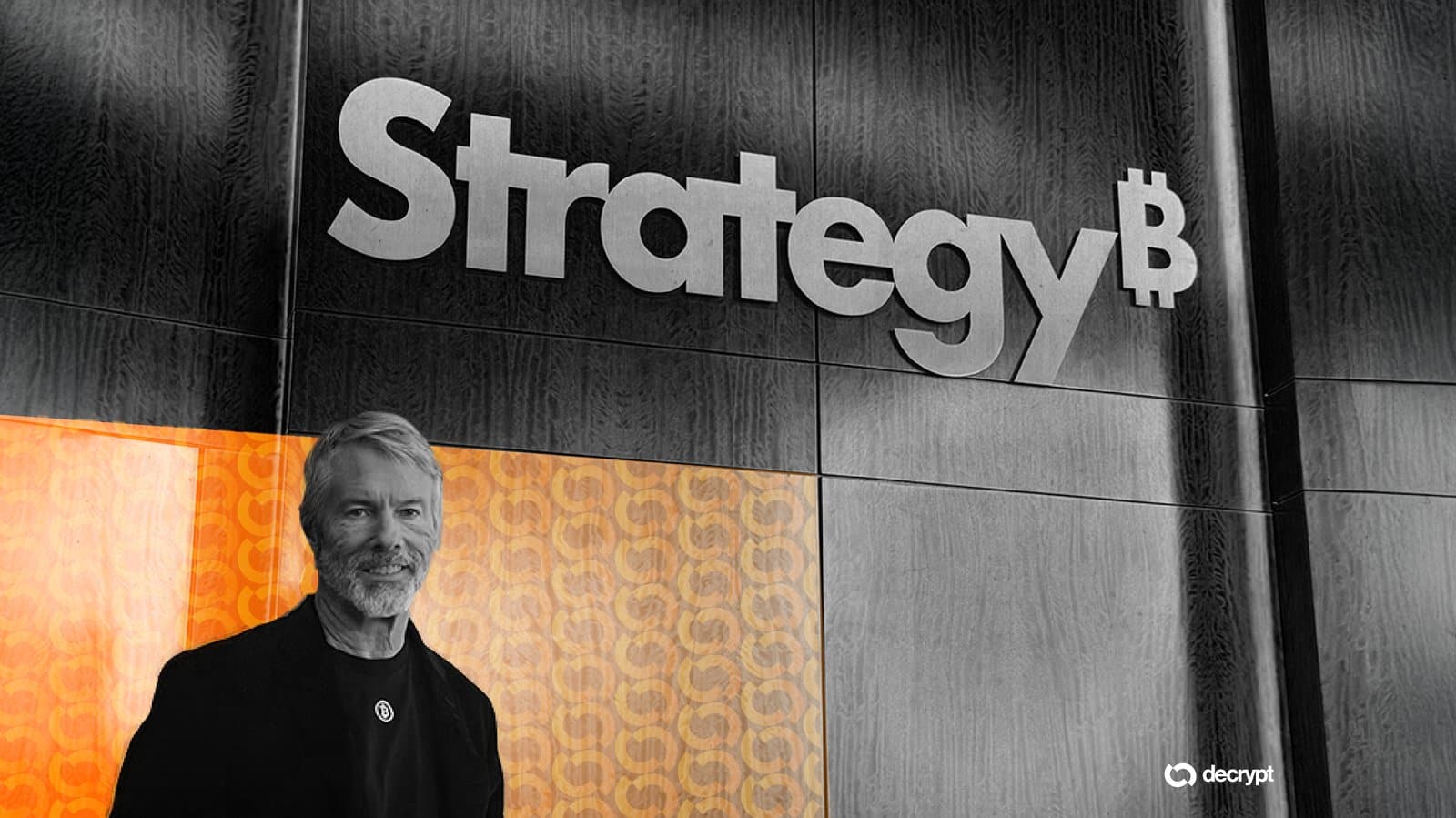
As Bitcoin continues to hover around $63,471, with a modest 1.46% uptick, a notable contrast emerges in the strategies of prominent figures in the crypto sphere. Michael Saylor, renowned for his bullish stance on Bitcoin during price surges, is currently hoarding cash instead of purchasing more BTC. This unexpected pivot raises questions about market sentiment and investment approaches.
Understanding Saylor's Strategy
Saylor's decision to conserve capital rather than enhance his Bitcoin holdings has triggered discussions regarding the broader market dynamics. With Bitcoin reaching new heights over the past few months, it might seem counterintuitive to refrain from buying more. Yet, Saylor’s strategy seems to align with an anticipatory approach toward potential volatility or a shift in market conditions. Holding cash could provide him the liquidity necessary to capitalize on fluctuations when the time is right.
Market Impact and Investor Sentiment
This shift in Saylor’s strategy could resonate throughout the broader investment landscape. Many investors look to his actions as a bellwether for market health. If a prominent advocate like Saylor believes the current market isn't favorable for buying more Bitcoin, it could instill caution among retail investors and institutional stakeholders alike.
Moreover, his choice to hold cash during a bullish market could reflect concerns about an impending correction or the evolving regulatory landscape, which has left many investors guessing how to best navigate this volatile environment. If Saylor continues to sit on the sidelines, it might prompt other large holders to rethink their positions as well.
What it Means for the Future of Bitcoin Investments
Investors must consider Saylor's cash position as more than just a personal strategy; it could signal a potential paradigm shift in how major players approach Bitcoin investments. If significant holders begin to prioritize cash retention over aggressive Bitcoin acquisitions, it could lead to reduced buying pressure, ultimately impacting prices.
As the crypto market remains vulnerable to external influences, from regulatory uncertainty to macroeconomic shifts, Saylor’s decision could be more than a mere hiccup in his investment philosophy; it might set a new precedent for how serious investors view their portfolios in the face of evolving conditions.
This material is informational and not financial advice.