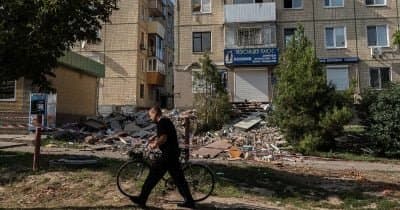
“These attacks aim to choke our supply lines,” a Ukrainian military analyst said after Russia launched long-range missile strikes on key airfields and logistics hubs. The Russian Ministry of Defense confirmed the operation, emphasizing a strategy to weaken Ukraine’s ability to transport troops, fuel, and equipment.
The strikes hit critical locations behind front lines, signaling a shift toward targeting rear-area infrastructure rather than immediate combat zones. By disrupting Ukraine’s support network, Russia hopes to blunt ongoing Ukrainian advances, especially on the southern front where momentum is key. Market indicators reflect this shift too, with the odds of Ukraine reclaiming Crimea by the end of 2026 slipping slightly from 10% to 9.5%, showing increased skepticism among observers.
These attacks come amid an intensification of long-range campaigns on both sides, with Ukraine also conducting missile strikes against Russian positions. The evolving tactics suggest a war increasingly focused on degrading each other's logistical capabilities rather than just direct battlefield engagements. How Ukrainian leadership responds will be critical, and President Zelenskyy’s next moves could reshape the conflict’s course.
As this dynamic unfolds, analysts are keeping close watch on changes in military positioning that could impact the broader strategic landscape. The disruption of supply chains could slow Ukrainian operations, creating uncertainty for their long-term objectives in the region. Recent shifts in crypto markets echo the unpredictability seen in this conflict, where swift changes can alter outlooks overnight.
This material is for informational purposes and does not constitute financial advice.