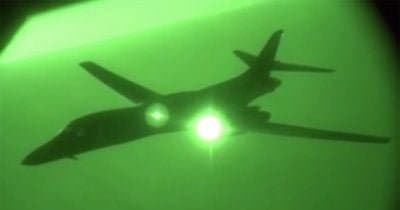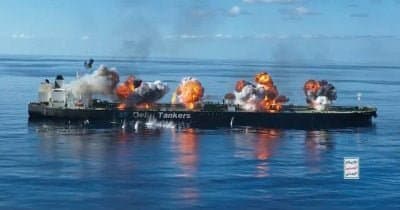
'Markets are not ignoring this,' one commodities desk analyst noted on Wednesday, as WTI crude edged higher following Houthi claims of missile and drone strikes on Saudi-flagged tankers in the Red Sea. The timing was deliberate. The attacks came directly on the heels of US military action against Iranian maritime and defense infrastructure, with US Central Command confirming the strikes were designed to degrade Iran's capacity to threaten commercial shipping, specifically through the Strait of Hormuz. The Houthis wasted no time connecting their operation to that context.
The Strait of Hormuz is not an abstract chokepoint. Roughly 20% of globally traded oil passes through it, and any credible threat to tanker traffic there ripples into futures pricing within hours. Saudi-flagged vessels being targeted is a particular signal: it draws the Gulf Cooperation Council directly into the conflict geometry, raising the probability that Riyadh recalibrates its own threat posture. Saudi authorities had not confirmed the extent of tanker damage as of the latest reports, and that ambiguity is itself a market input. Unconfirmed damage in a high-tension corridor tends to get priced as confirmed until proven otherwise. The Iran escalation curve has been steepening for weeks, and Wednesday's events added another data point to that trajectory.
What the oil price activity in July 2026 reflects is not panic, but a systematic reassessment of supply-disruption probability. WTI crude pricing is now incorporating a non-trivial likelihood of further escalation, and options markets are adjusting strike levels accordingly. The pattern is familiar: a US military action against Iran, a Houthi response targeting commercial shipping, and then a waiting game to see whether Tehran signals restraint or mirrors the aggression. Iran's response, or deliberate non-response, in the coming 48 to 72 hours will determine whether this stays a regional flare-up or becomes something that forces a structural risk premium into energy markets for weeks.
For investors with exposure to energy equities, tanker operators, or broader commodity indices, the calculus right now is about duration of disruption rather than the disruption itself. A single incident in the Red Sea, even a confirmed one, does not break global supply. A sustained campaign that forces rerouting around the Cape of Good Hope adds roughly two weeks of transit time and meaningfully raises freight costs, which feeds into downstream inflation. CENTCOM's stated objective of reducing Iran's ability to threaten shipping has not visibly achieved that goal yet, and the Houthi strike claim suggests the operational capacity on the Yemeni side remains intact.
This article is for informational purposes only and does not constitute financial or investment advice. Always conduct your own research before making any trading or investment decisions.