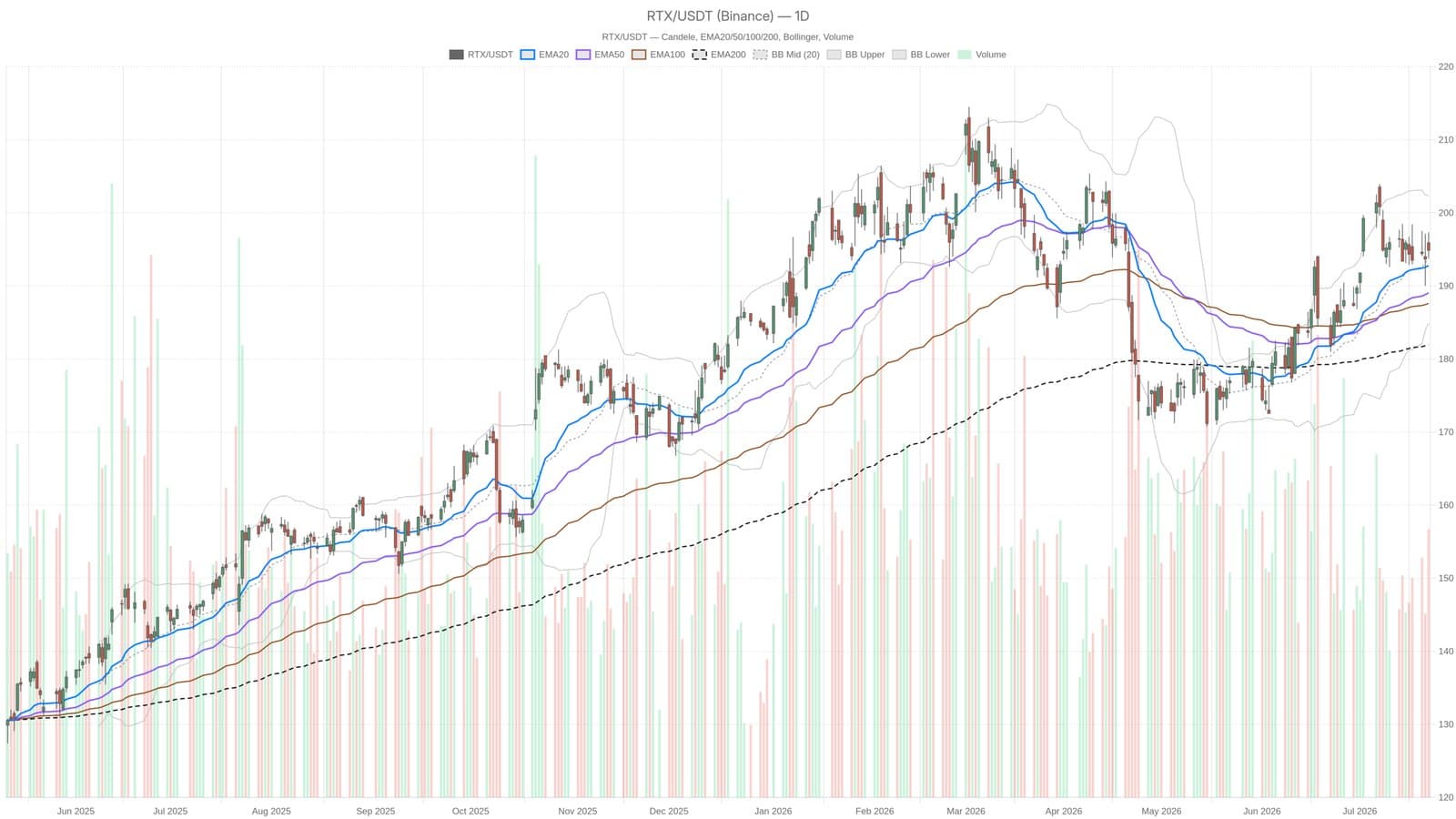
SpaceX stock (SPCX) closed just above $115 on Wednesday. That's nearly 20% under the June IPO price and almost 48% off the June peak of $225.64. At the same time, the company's 2056 bonds dropped to a fresh record low, slipping below 89 cents on the dollar and pushing the yield-to-worst up to 7.6%. Two assets moving in the same direction, and neither one moving up.
The bond slide is where things get uncomfortable. SpaceX raised $25 billion in bond markets back in June, spread across five tranches with coupons between 5.35% and 6.65%. The longest-dated paper, maturing in 2056, has fallen the hardest. Credit spreads on those notes have blown out from roughly 175 basis points at issuance to more than 230 basis points now, putting them in territory normally associated with junk-rated debt. Zerohedge flagged the move this week, noting it coincided with a broader selloff in hyperscaler bonds.
The financials don't help. SpaceX reported a first-quarter net loss of $4.28 billion on $4.69 billion in revenue. Bondholders are apparently doing the math differently than equity buyers did at IPO, and the spread widening reflects that gap in risk appetite.
Schiff's Take and the Lockup Threat
Peter Schiff reposted the bond data and added his own commentary: SPCX closing near 50% below its high could be a "harbinger of things to come for other overhyped stocks and cryptos." Schiff has made crypto markets a recurring target in his bearish outlook, arguing that credit stress tends to arrive before the equity and digital asset crashes. His critics are quick to point out a long track record of calls that didn't land on schedule, but the timing here is at least awkward for the bulls.
SpaceX joined the Nasdaq 100 shortly after its June debut and has since dropped around 29% from that milestone. A delayed Starship test flight added another layer of negative sentiment this month. None of it is catastrophic in isolation, but it compounds.
The bigger near-term pressure is structural. SpaceX's first major share unlock lands in early August, two days after second-quarter earnings. About 911.5 million shares become eligible for sale at that point, worth roughly $123 billion at recent prices. That's a wall of potential supply sitting directly above a stock that's already struggling. Traders are also watching dilution risk tied to SpaceX's reported acquisition of Cursor AI, which adds another variable to an already crowded picture.
Some technical analysts still see a falling wedge pattern forming near current levels that could support a bounce. Whether that holds once the lockup expires and earnings land in August is a different question entirely. SPCX bond yields will likely be the first thing traders check when those results hit.
This article is for informational purposes only and does not constitute financial or investment advice.