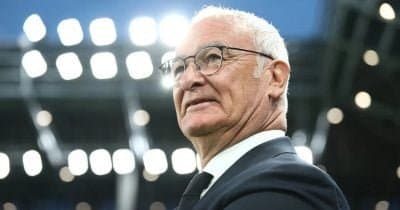
Pep Guardiola has turned down a lucrative €20 million-per-year contract to coach Italy’s national football team. The decision came after intense negotiations with the Italian Football Federation (FIGC), who initially offered €10 million annually and were prepared to increase the package to meet Guardiola’s demands. Despite the financial incentives, Guardiola chose to take a sabbatical, seeking rest after a decade of demanding club-level management at Manchester City.
Negotiations and the Value of Rest
The FIGC’s offer was one of the most generous in international football, reflecting Italy’s urgency to secure a transformative figure following their recent failures to qualify for major tournaments. Guardiola’s reputation as one of the most successful managers, with past stints at Barcelona, Bayern Munich, and Manchester City, made him a prime candidate to revive Italy’s fortunes. However, the Spaniard’s refusal was not a bargaining tactic but a firm decision to prioritize his personal well-being over ambition or financial gain.
What This Means for Italy
Italy’s search for a new head coach now faces new challenges. Guardiola’s rejection leaves the FIGC to explore alternative candidates, with Carlo Ancelotti emerging as a possibility given his Italian heritage and strong managerial record. The federation’s pursuit of Guardiola highlights the shifting mindset among elite coaches who increasingly consider the importance of timing and rest in their careers.
This move also reflects a broader trend in top-level sports, where talent exercises greater control over career pacing and work-life balance. Guardiola’s choice could influence other high-profile managers weighing similar decisions about their futures.