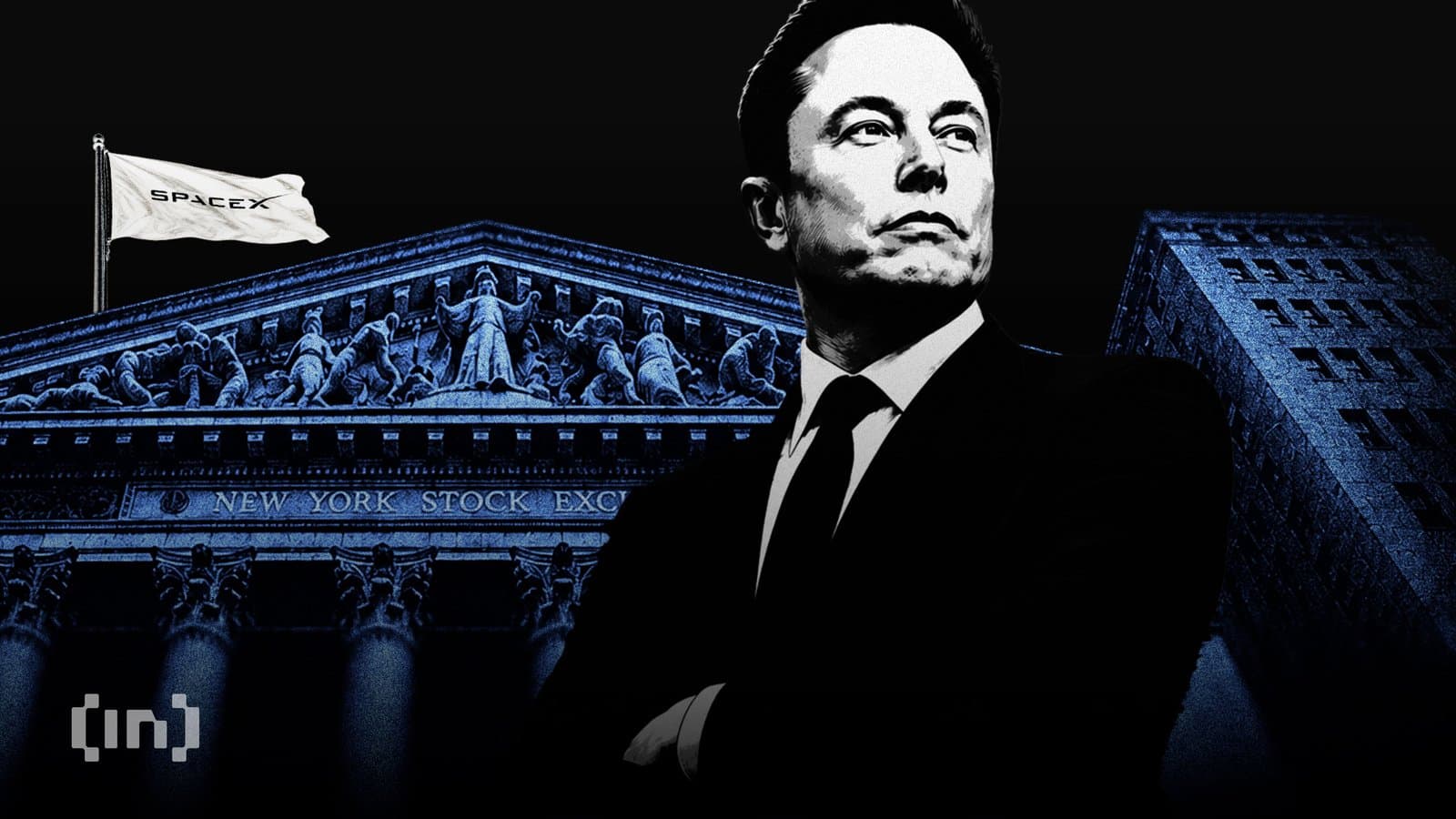
"We've decided to build exclusively on Nvidia," Musk said on SpaceX's first earnings call as a public company, and that single word flipped the entire semiconductor trade on its head. SpaceX stock dropped 14% the next day. Nvidia jumped. Advanced Micro Devices fell hard. Traders read the same announcement in completely opposite ways, and the market repriced itself in real time.
The exclusive deal locks SpaceX into Nvidia chips for its AI systems running on the ground and through Starmind, a satellite data-center project launching next year. Vera Rubin, Nvidia's next-generation platform, will power the whole operation. For Nvidia, this is a massive win, a major customer locked in with no way for rivals to undercut on price. AMD, which had counted SpaceX among its AI clients, lost that business entirely.
But here's where it gets weird. SpaceX's actual results were strong. Revenue jumped 92% year-over-year to $7.8 billion, and EBITDA hit $3.5 billion. The AI unit grew fastest, with sales up 247%. None of it mattered to the stock. Investors looked at that exclusive Nvidia commitment and saw something different from what the chipmakers saw. They saw a rising bill with no lever to negotiate it down. SpaceX already spent $15.8 billion on AI computing in a single quarter while bringing in $14.1 billion in AI cloud sales under contract. Tie yourself to one supplier at those numbers, and you've locked in margin pressure for years. The company beat earnings and fell anyway because the exclusive deal looked like a spending commitment, not a path to more income.
This is informational content only, not financial advice. Market moves based on earnings announcements carry real risk, and investment decisions should factor in your own situation and risk tolerance.