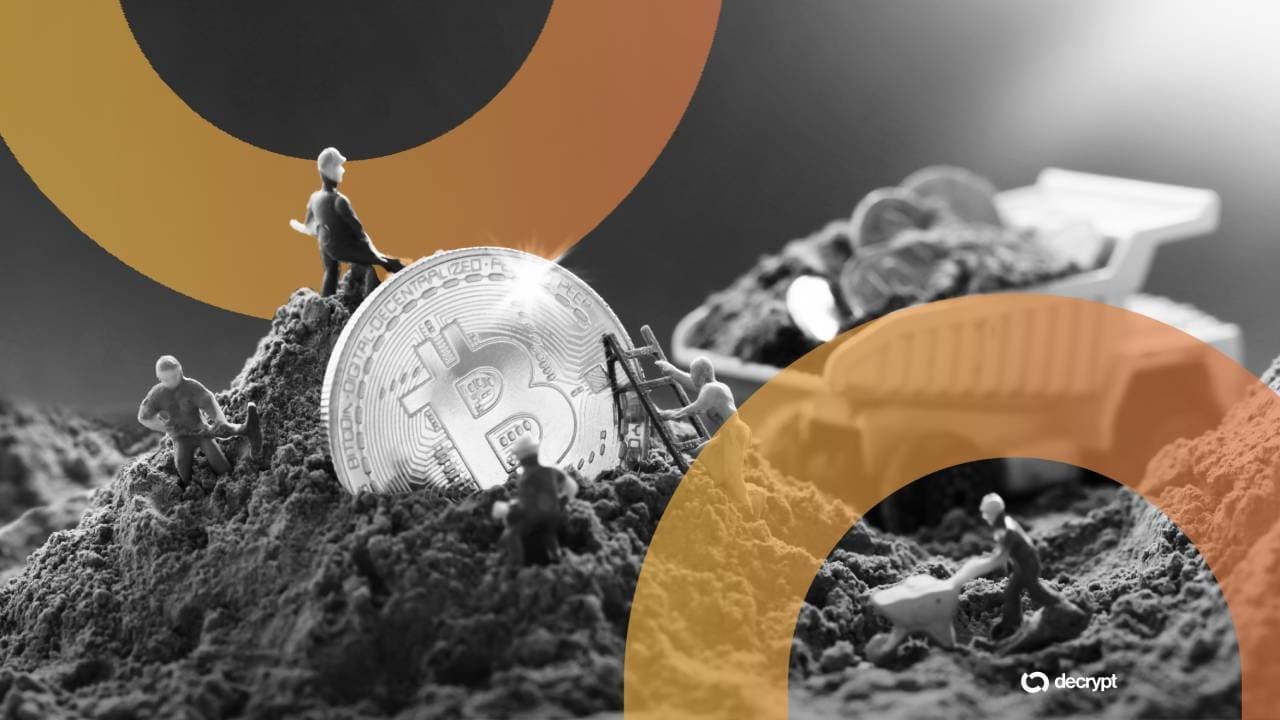
A solo Bitcoin miner just pulled off what most would call a lottery win. Single block. Around $200,000 in fresh BTC. That's the payout when you're the one who validates the next chunk of transactions and add it to the chain. Most miners work in pools where rewards get split among thousands. This person flew alone.
Mining Bitcoin used to mean basement setups and modest electricity bills. Those days vanished years ago. Modern rigs demand serious hardware, constant cooling, and power costs that eat into margins fast. Solo mining is even rougher because you're competing against industrial operations with warehouses full of equipment. The odds of solving a block before someone else does it are brutal.
When it happens though, the entire reward is yours. No pool fee, no split. That $200,000 haul represents the miner's share of the current 6.25 BTC block subsidy plus transaction fees. At today's prices hovering around $63,700 per coin, one block can genuinely change someone's year.
The Bitcoin network adjusts mining difficulty roughly every two weeks based on how much computing power is plugged in. More miners join the network, difficulty rises. Some give up, it falls. The system is designed so blocks arrive roughly every 10 minutes no matter what. A solo miner striking lucky happens rarely enough that each one gets noticed by the community. It's proof that you don't need to be a megacorp to win.
This article is for informational purposes only and should not be taken as financial or investment advice. Mining profitability depends on hardware costs, electricity prices, and market conditions that vary significantly by region.