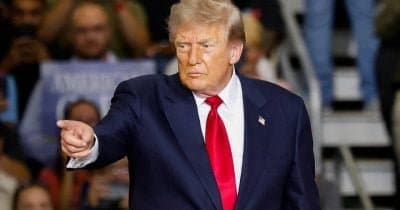
Oil shot up roughly 7% following Iran’s missile attack on US troops in Jordan, marking the second major assault on American forces in the region within seven months. President Trump responded swiftly, vowing a "very hard" retaliation that rattled global markets overnight.
The strike caught US personnel off guard, stirring fears of escalating conflict near the Strait of Hormuz, a chokepoint where nearly 20% of the world’s oil passes daily. The immediate reaction was a sharp climb in crude prices, reflecting concerns about supply disruptions in a volatile geopolitical hotspot.
While traditional markets adjusted quickly, crypto communities remain quiet. No major crypto outlets have yet weighed in, indicating uncertainty about whether the event will drive Bitcoin and other digital assets up or down. Investors should keep an eye on stablecoin flows into exchanges in the coming days. Rising USDT and USDC deposits without immediate buys often signal traders preparing for volatility but hesitant to pick a direction.
This incident follows a pattern of regional tensions affecting markets. For example, the Federal Reserve’s recent moves already had markets on edge, and now energy prices add another layer of complexity. How sustained this oil rally becomes will influence inflation outlooks and central bank policies worldwide.
This material provides information only and does not constitute financial advice.