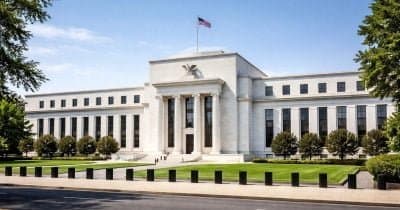
On the latest Federal Reserve announcement day, both stock and bond markets faced sharp turbulence. The 30-year U.S. Treasury yield surged to 5.10%, hitting highs unseen since 2007. Meanwhile, leading stock indexes retreated amid concerns over persistently elevated interest rates. This erratic market behavior highlights a thinning safety net on Wall Street, leaving investors more exposed to sudden swings.
Market Movements Under the Fed’s Gaze
Recent Fed days have become synonymous with pronounced volatility. June’s market declines foreshadowed what unfolded again, with the S&P 500 and Dow Jones Industrial Average reacting sharply to signals suggesting the central bank intends to keep borrowing costs elevated longer than many anticipated. Bond prices fell as yields climbed, reflecting skepticism about near-term rate cuts. The 30-year Treasury note’s leap to over 5% shows a bond market bracing for tightened monetary conditions, a scenario not seen for nearly two decades.
Wall Street’s Vanishing Safety Cushion
Industry insiders point to diminishing hedging activity as a key factor amplifying these swings. Once a buffer against drastic moves, derivatives and other risk management tools are reportedly being scaled back. This erosion of the "crash cushion" means investors face bigger jolts when Fed signals shift. Market watchers now hang on every word from Fed Chair Kevin Warsh and other Federal Open Market Committee members, dissecting speeches and economic data releases like inflation figures and employment stats for clues. The ongoing uncertainty keeps traders on edge, with each announcement potentially reshaping expectations and portfolios.
This content is for informational purposes only and does not constitute financial advice.