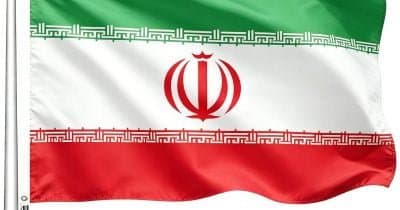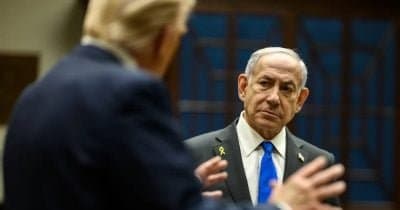
Israeli Prime Minister Benjamin Netanyahu has pushed for a hardline approach against Iran since the 1990s. Yet, it was only under former President Donald Trump that the United States aligned with Israel’s aggressive stance, escalating tensions in the region. This cooperation shifted the geopolitical landscape dramatically, as both leaders now face key elections that could reshape US-Iran relations.
Changing Tides in US-Israel Relations
David Remnick of The New Yorker highlights that Netanyahu’s advocacy for confrontation has been a decades-long effort. Trump's presidency marked a turning point where these views not only gained traction but also translated into direct policy actions. However, recent reports suggest growing friction between Trump and Netanyahu, with Trump exploring ways to reduce hostilities. This evolving dynamic adds uncertainty to the prospects for peace talks with Iran.
Market Signals Reflect Declining Hopes for Peace Talks
Markets respond swiftly to geopolitical shifts. Data shows that expectations for US-Iran peace negotiations by August 31, 2026, have dropped from 42% to just 31.5%. This decline mirrors concerns over Israel's uncompromising approach, deterring diplomatic progress. Key factors to watch include any official statements or military developments that could further sway market perceptions and impact strategies tied to the region’s stability.
- Peace talks likelihood has slipped sharply in recent weeks.
- Trump and Netanyahu’s strained relations complicate policy outlook.
- Elections in both countries could profoundly alter future actions.
Both Trump and Netanyahu’s political futures hold significant weight in this equation. With tensions high and peace talks fading, the global community watches closely. Investors and analysts monitor these developments as they influence not only geopolitical risk but also market behavior.
This content is for informational purposes and does not constitute financial advice.