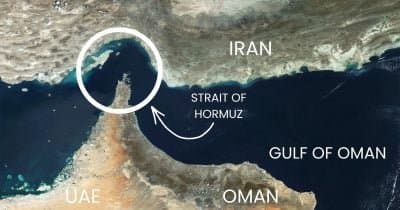
Recent developments in the Strait of Hormuz have heightened concerns for maritime safety, especially for vessels navigating U.S.-designated routes. Iran's explicit warning poses a significant alarm, indicating that ships using these routes face increased risks. This is particularly relevant in the context of ongoing tensions between Iran and the United States, a situation exacerbated by a recent U.S. naval blockade of Iranian ports.
Amid the fragile ceasefire, Iran's threats to potentially close the strait entirely if the blockade continues represent a severe escalation in hostilities. The Strait of Hormuz is a vital trade route through which a substantial percentage of the world's oil supply is transported, making any disruption an immediate concern for global markets.
As tensions mount, market responses indicate a growing skepticism about the normalization of traffic in this critical waterway. Recent pricing trends reflect a drop in confidence regarding the return to regular shipping operations by August 31, with shifts from a 34% expectation down to just 17.5%. Such fluctuations are a stark reminder of how geopolitical strife can impact market perceptions and, ultimately, economic stability.
Investors and maritime operations should closely monitor any official statements from either Iran or the U.S. concerning the status of the Strait of Hormuz. Positive announcements, such as the confirmation of peace agreements or new directives for safe passage, could signal optimism for traffic normalization. On the contrary, any indications of military escalation or reaffirmations of closure by Iranian leadership could lead to heightened market volatility and cautious trading strategies.
In this tense geopolitical landscape, the next few weeks will prove crucial for both regional stakeholders and global markets. With the ongoing risks in the Strait of Hormuz, this situation serves as a reminder of the delicate balance of international relations and its far-reaching implications.
This article is for informational purposes only and should not be considered financial advice.