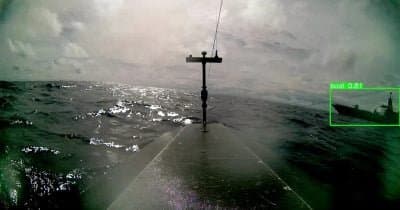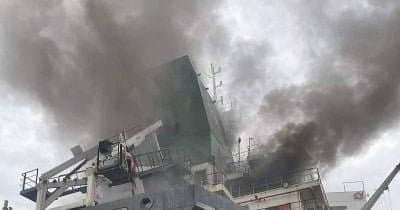
In a recent incident, Iran conducted a rescue operation for over a dozen crew members from a bulk carrier after it collided in the strategically crucial Strait of Hormuz. This event shows the significant maritime risks in this vital passage, particularly as tensions between the US and Iran escalate, further complicating shipping operations.
Market Reactions to Maritime Risks
Shipping market data reflects a worrying trend. Between July 6 and July 12, the likelihood of fewer than 150 vessels successfully completing their journey through the Strait rose sharply to 88.8%, a stark jump from only 12% the previous week. This shift signals a growing concern among market participants about the implications of such maritime accidents amid ongoing conflicts, reinforcing fears of reduced commercial shipping activity.
Impact of Ongoing Hostilities
With approximately 6,000 seafarers stranded due to the halt of UN evacuation efforts, the dynamics of maritime operations in the region are increasingly precarious. The Iranian government’s warnings against unauthorized passage coupled with security concerns are likely to discourage shipping lines from navigating through the Strait, potentially leading to significant economic repercussions for global trade routes.
Such incidents not only reveal the immediate dangers faced by shipping companies but also highlight the broader implications for international commerce and energy supplies. As shipping operations become hampered, stakeholders must closely monitor developments in the US-Iran relations and any announcements from involved nations for indications of shifting operational safety standards and transit probabilities.
This article is for informational purposes only and is not financial advice.