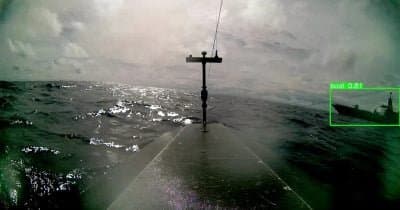
In a notable military escalation, CENTCOM has deployed one-way attack surface drones to conduct airstrikes on Iran's naval infrastructure at the Bandar Abbas Naval Base. This operation is significant not only for its tactical implications but also for its demonstration of advanced unmanned warfare capabilities. The attack specifically targeted a submarine and ship maintenance facility, aiming to cripple Iran's potential threat to commercial shipping lanes in the strategic Strait of Hormuz.
Understanding the Strategic Context
The recent deployment of American sea drones marks a pivotal moment in maritime warfare, emphasizing the growing reliance on autonomous systems. As tensions between the U.S. and Iran have heightened, with frequent reports of threats to commercial vessels, this strike represents a proactive measure to deter Iranian aggression. The ability to use drones for such precision targeting illustrates a shift towards technology-driven military strategies, which could redefine engagement rules in conflict-prone regions.
Market Implications of the Strike
Following the CENTCOM strike, early indicators suggest a notable decrease in market fears regarding Iranian attacks on shipping. Pricing in maritime markets reflects a reduced probability of incidents involving Iranian forces, as investors reassess risk based on the effectiveness of U.S. military capabilities. The strike may lead to a temporary stabilization of shipping costs and bolster confidence among shipping companies operating in the region.
Potential Responses and Future Monitoring
It is crucial to observe the Iranian Revolutionary Guard Corps (IRGC) in the aftermath of this operation. Their potential retaliatory actions could significantly impact market perceptions of shipping safety. Furthermore, developments in U.S.-Iran negotiations or any agreements toward a ceasefire might also influence maritime market dynamics. Increased intelligence sharing and analysis, including satellite imagery, could enhance understanding of Iranian naval operations and future threats. Stakeholders are advised to remain vigilant as the situation evolves.
This material is informational and should not be considered financial advice.