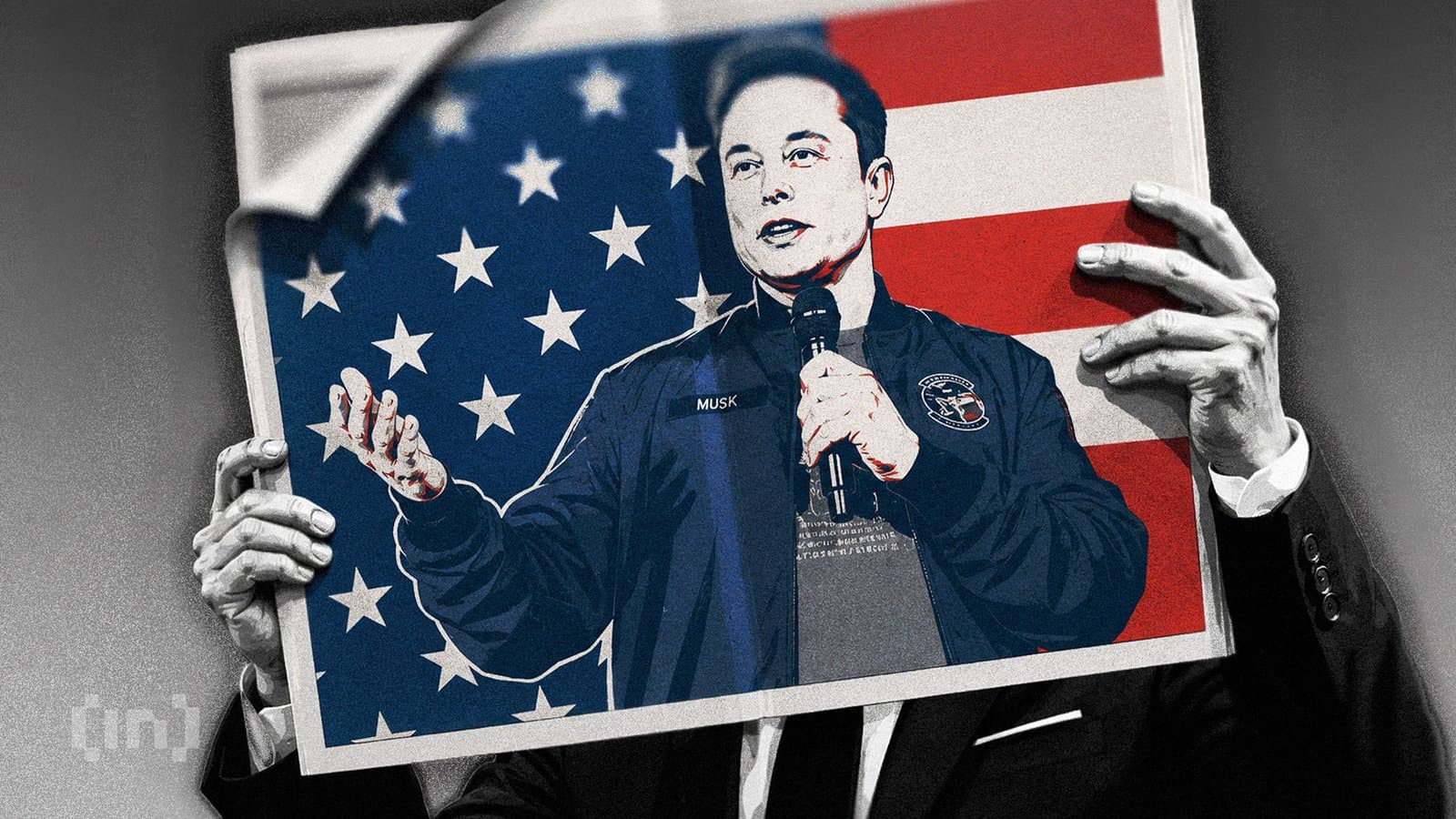
The "far right" label is wrong, and he wants that on the record. That was Elon Musk's opening move in a combative interview with The Economist editor-in-chief Zanny Minton Beddoes, recorded Monday and set to air in full on the outlet's Insider video program Thursday at 18:00 UK time.
What Musk actually said
Minton Beddoes pressed him on backing "very fringe parties" across Europe. Musk pushed back hard, asking her to name which of his stated principles sounds extreme: secure borders, safe cities, sensible spending. He then went after the press directly, calling the far-right characterization "false and misleading" and demanding the exchange stay in the final cut.
When she cited his own post predicting civil war in Britain as "inevitable," Musk didn't walk it back. He argued that a growing group holding beliefs "antithetical to western beliefs" means "at some point there will be a reckoning." Minton Beddoes countered with data: violent crime in Britain is falling, and London is statistically safer than most major US cities. Musk didn't engage the numbers.
His most quoted line came when she asked why someone based in the US should shape European politics at all. His answer skipped party names entirely: "I think of it as sort of the West collectively." Not AfD, not Reform UK. The whole civilizational project, as he frames it.
Why the framing matters
Musk is worth over $800 billion and owns X, where roughly 250 million people follow his account. That combination of capital and reach means the framing he chooses travels far. Positioning his European interventions as a defense of shared Western values rather than support for specific nationalist parties makes the activity harder to criticize on partisan grounds and easier to present as principled.
He also addressed accusations of racism, pointing to his partner's Indian heritage, their four children together, and the racial diversity of his executive teams. On whether he understands why he's loathed by many Europeans: he shrugged it off, noting that a quarter of a billion followers suggests more people like him than don't. He closed by turning the question back on Minton Beddoes, telling her that "a lot of people hate you and the media more than you realize."
The full interview runs at economist.com Thursday evening.