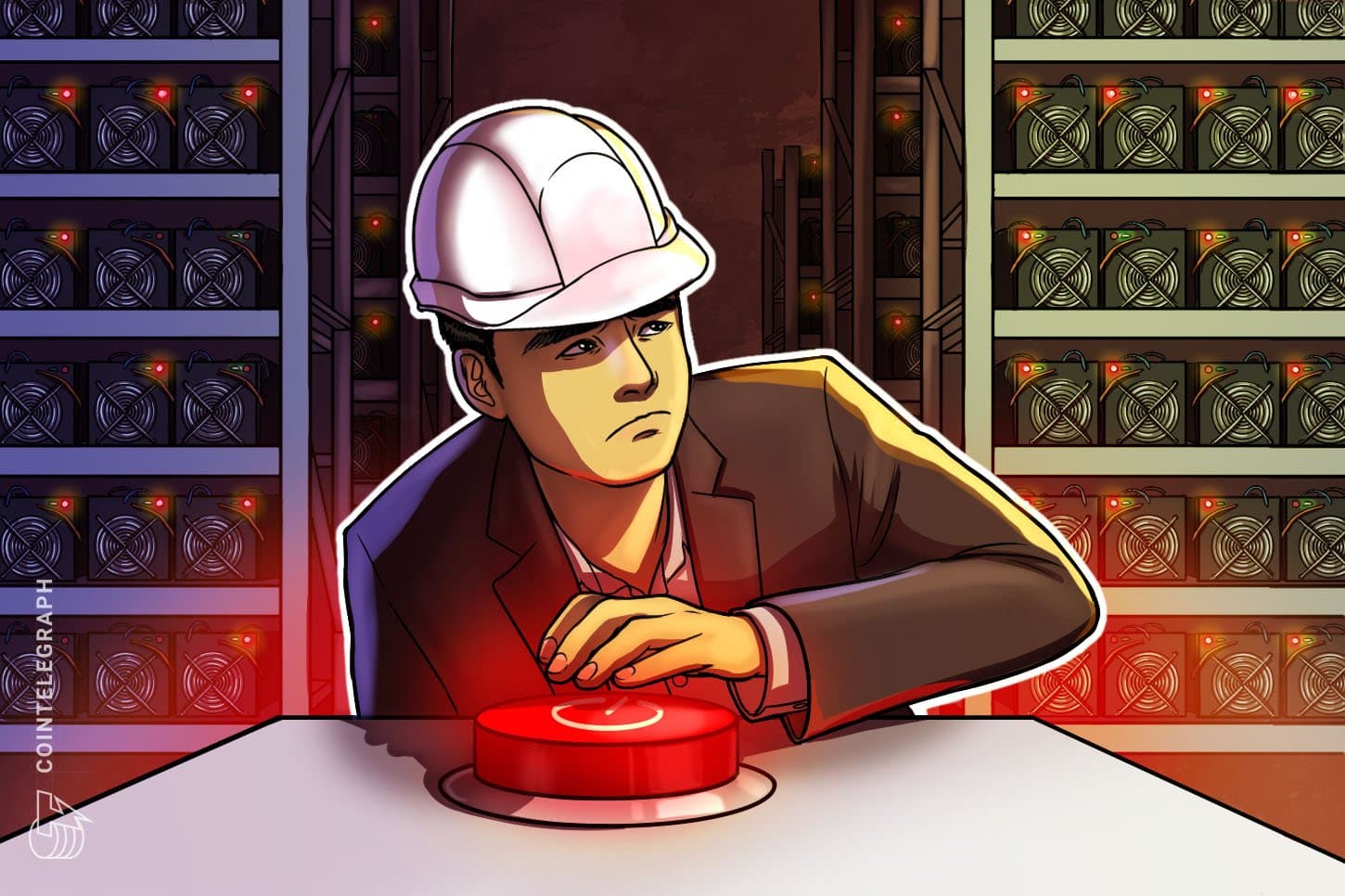
Russia just widened its crackdown on crypto mining, dragging the capital city into a ban that stretches through 2032. Adding Moscow, its surrounding region, and parts of Kursk to the off-limits zone stunned many who expected Moscow to hold out due to its economic weight. The government claims the move is about managing power supply, but it reshapes the mining landscape dramatically.
An Energy Crunch Drives Policy Deep into the Future
Energy consumption in Russia has always been a sensitive topic, especially as crypto mining requires vast amounts of electricity and can destabilize local grids. By extending the ban to Moscow and nearby territories, authorities are signaling that concerns over power use outweigh potential economic benefits. The ban is not a short-term fix it's locked in for nearly a decade, through 2032, hinting that regulators expect energy pressures to persist or worsen.
Impact on Miners and the Crypto Ecosystem
Miners operating in Moscow face tough choices. Many will need to relocate or shut down, potentially shifting their operations to regions with looser regulations or cheaper energy. This could accelerate migration of mining to areas like Siberia or foreign countries with more favorable conditions. Meanwhile, the ban complicates Russia’s role in the global crypto market, which has been fluctuating amid regulatory shifts. Unlike other jurisdictions pushing for crypto integration, Russia’s stance remains largely restrictive.
In a broader context, Russia's approach contrasts sharply with moves by other major players embracing blockchain technology, including projects boosting reserves with tokens like Chainlink's recent reserve expansions. While those markets expand and innovate, Russian miners face an uncertain future tightly controlled by state energy policy.
This article is for informational purposes only and does not constitute financial advice.