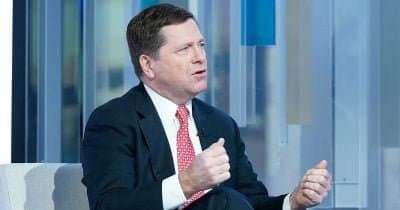
Jay Clayton’s move from SEC chair to the top US intelligence official signals a strategic shift in how Washington might watch crypto’s darker corners. Starting Monday, August 3, Clayton will oversee the entire intelligence community, managing agencies that track illicit crypto finance and cyber threats tied to digital assets.
From Regulating Wall Street to Leading Intelligence
Clayton’s tenure at the SEC between 2017 and 2020 coincided with the explosive rise of ICOs and the first major federal actions against unregulated token sales. His leadership helped cement the agency’s stance on treating many cryptocurrencies as securities. After leaving the SEC, he briefly served as US Attorney for the Southern District of New York before being nominated by President Trump to become Director of National Intelligence (DNI).
The Senate confirmed him on July 28 with a narrow 51-47 party-line vote, reflecting the political tensions around the appointment. Clayton replaces Tulsi Gabbard and follows Bill Pulte’s short, contentious period as acting DNI, during which Pulte cut around 30% of the Office of the Director of National Intelligence’s staff despite lacking deep intelligence experience. CIA Director John Ratcliffe was reportedly instrumental in pushing Clayton’s nomination.
What Clayton’s Appointment Means for Crypto Investors
Clayton’s new role puts him at the helm of 18 intelligence agencies monitoring everything from sanctions evasion involving cryptocurrencies to cyber operations by foreign adversaries using digital money. Although the confirmation itself brought no immediate market shifts or regulatory changes, crypto investors should watch how intelligence priorities evolve under Clayton’s leadership.
His background suggests a nuanced understanding of both financial markets and regulatory challenges surrounding crypto. While the market impact is currently minimal, his leadership could tighten coordination between intelligence and regulatory bodies, potentially foreshadowing stricter oversight on illicit crypto activities.
Material is informational and does not constitute financial advice.