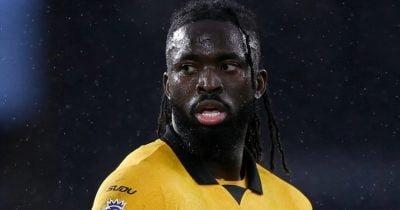
In a move that underscores the enduring norms of European football’s transfer market, FC Midtjylland has secured the signing of 20-year-old midfielder Kjell Wätjen from Borussia Dortmund for €2.2 million, supplemented by performance-related bonuses. This transaction emphasizes how conventional financing remains the go-to method for clubs, even as blockchain technology gains traction in other realms, including sports finance.
The rapid progression of this deal, finalized within just 48 hours, highlights the straightforward cash-plus-incentives nature of traditional football transfers. Wätjen is a product of Borussia Dortmund's esteemed youth academy, yet struggled to gain a foothold in the first team, leading to a loan stint at VfL Bochum during the 2025-26 season to garner essential match experience.
The significance of this transfer extends beyond the mere exchange of euros; it reflects the longstanding practices within football's transfer frameworks. Midtjylland's acquisition of Wätjen also sees him reunited with Mike Tullberg, his former youth coach at Borussia Dortmund now overseeing the Danish club.
Despite the inclusion of performance bonuses, specific details regarding these incentives, along with other financial elements such as sell-on clauses, remain undisclosed. This lack of transparency further exemplifies an industry that prefers the familiar over the innovative.
Interestingly, while football's transfer market moves approximately $7 billion annually, the integration of blockchain remains negligible. The existence of fan tokens, including the $BVB token that Dortmund has experimented with through partnerships with Socios, operates in a sphere disconnected from actual player transactions and financial planning. This divergence indicates that fan engagement innovations like tokenization do not penetrate the core financial operations related to player transfers.
For both FC Midtjylland and Borussia Dortmund, the rationale is clear: they require completion of a straightforward financial transaction that remains uncomplicated by technological advancements. Therefore, with neither party feeling pressured to introduce complex innovations, it is apparent that traditional practices are likely to dominate football finance for the foreseeable future.
This material is informational and should not be considered financial advice.