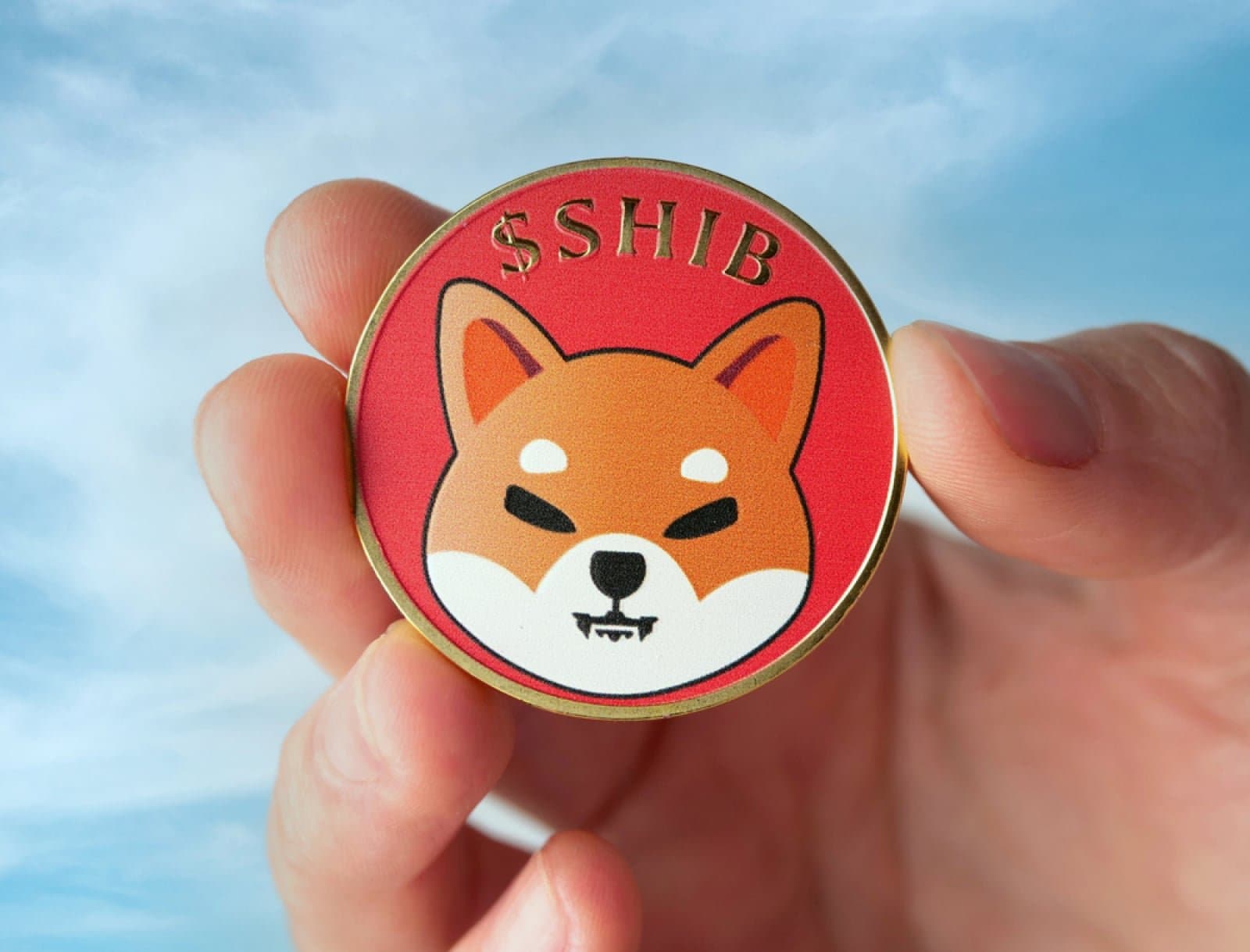
A striking event has caught the attention of crypto investors: over 148.7 billion Shiba Inu (SHIB) tokens have exited exchanges recently. This substantial movement might indicate a shift in sentiment, as selling pressure diminishes after many months of continuous declines. Such a scenario opens the door to speculation about whether SHIB could be stabilizing after enduring a 69% drop over the past year, including a steep 40% slide in 2023 alone.
The netflow data surrounding SHIB is particularly telling. Negative netflows typically suggest that tokens are being removed from the market more than they’re being deposited. This trend is crucial because lower available supply can lead to increased demand, especially if investors prefer to hold rather than sell. While a single day of significant outflows does not guarantee a market reversal, it certainly raises optimism among traders.
Despite the prevailing bearish market trend, the recent data reflects dwindling selling momentum. Volume is decreasing, indicating that fewer sellers are willing to push prices lower. This can often be a key indicator of market bottoms, as significant reversals generally do not happen during periods of panic or excessive selling. Instead, they frequently emerge after sellers have largely exhausted themselves, making it difficult for new negative catalysts to emerge.
Additionally, SHIB's chart has shown a breakdown from a rising wedge formation, which typically signals bearish conditions. However, the lack of aggressive selling following this pattern could suggest that the worst might be over. As sellers step back, the remaining holders are less inclined to participate in further sell-offs.
The overall crypto landscape remains turbulent, and Shiba Inu is not immune. Still, the recent developments surrounding its token flows may hint at a newfound resilience among investors. Traders will be keeping a close eye on the upcoming market trends to see if these signs translate into a lasting bullish scenario.
This article is for informational purposes and should not be considered financial advice.